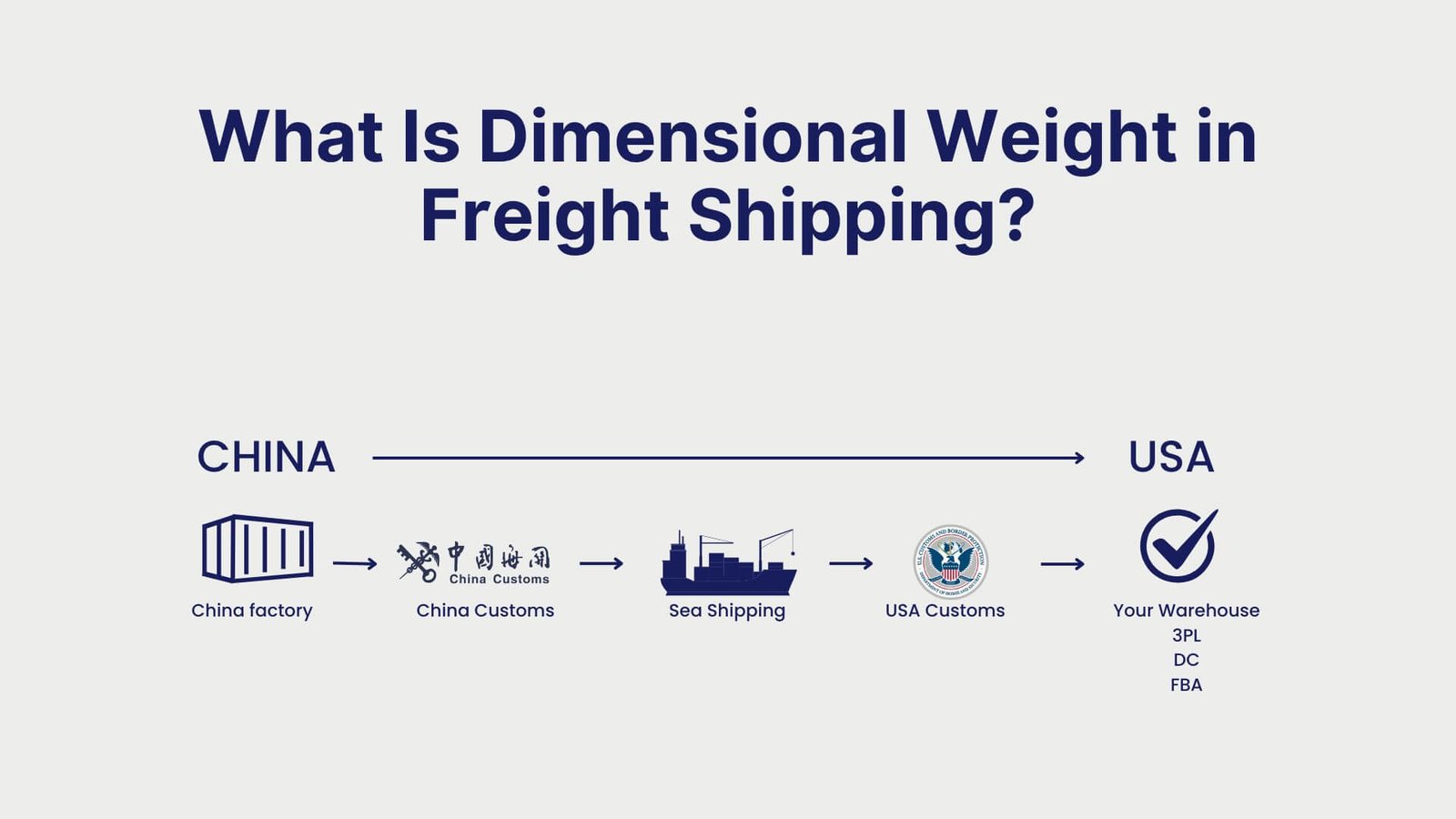
Shipping from Alibaba can be daunting for U.S. importers. Understanding the process from order to delivery can save you time and money.
Shipping from Alibaba involves confirming Incoterms1, arranging international freight2, preparing export documents, clearing U.S. customs, and completing final delivery. U.S. importers who understand this full process avoid delays, hidden fees, and compliance issues that commonly occur when suppliers control shipping.

Knowing how shipping works is vital. It helps you navigate the complexities of international logistics. By following a systematic approach, you can ensure that your goods arrive on time and in good condition.
How Shipping from Alibaba Works for U.S. Importers from Order to Delivery?
Shipping from Alibaba follows a specific lifecycle. It starts with selecting a supplier and ends with the delivery of goods. This process includes several key steps.
- Order Placement: Choose your supplier and confirm the order.
- Export Packaging & Documentation3: The supplier prepares your goods and necessary export documents.
- Port or Airport: Goods are transported to the port or airport for international shipping.
- Ocean or Air Freight4: Choose your preferred shipping method.
- U.S. Customs Clearance: Upon arrival, your shipment must clear customs.
- Final Delivery5: The goods are delivered to your specified location.
Understanding this flow helps you identify potential challenges. Delays often arise from misunderstandings about documents or shipping terms. Knowledge of the complete process helps prevent these issues.
Best Shipping Methods from Alibaba to the USA and When to Use Each?
Choosing the right shipping method is crucial. The main options are ocean freight, air freight, and express shipping6. Each method has its advantages.
- Ocean Freight: Best for large shipments. It offers the lowest cost for bulk orders.
- Air Freight: Balances speed and cost. Suitable for medium-sized shipments.
- Express Shipping: Ideal for urgent shipments or samples. It is the fastest but also the most expensive option.
The main shipping methods from Alibaba to the USA are ocean freight, air freight, and express shipping6. Ocean freight offers the lowest cost for bulk orders, air freight balances speed and price, and express shipping6 is best for small, urgent shipments or samples.

Understanding when to use each option can lead to smarter choices. It’s important to weigh the urgency of your shipment against your budget. For example, if you have time and are shipping large quantities, ocean freight is your best bet. On the other hand, if time is critical, express shipping6 may be worth the extra cost.
Who Should Control Alibaba Shipping: Supplier, Freight Forwarder, or Buyer?
Deciding who controls the shipping process can impact your costs and transparency. Many suppliers offer shipping services. However, this doesn’t always mean they provide the best rates or service.
Using an independent freight forwarder7 often gives you better cost control. They work for you, not the supplier. This can lead to a clearer understanding of all charges involved.
While Alibaba suppliers often offer shipping, U.S. importers gain better cost control and transparency by using independent freight forwarder7s. Buyer-controlled shipping reduces hidden destination charges, ensures correct Incoterms, and improves coordination with U.S. customs clearance8.

By controlling the shipping, importers can mitigate risks. Supplier-controlled shipping often hides destination fees. Incorrect Incoterms can lead to misunderstandings and unexpected costs. Managing your logistics can help you avoid these pitfalls.
Total Cost Breakdown When Shipping from Alibaba to the USA
Understanding the total cost of shipping is crucial for budgeting. Costs can pile up quickly if you're not careful. Here are the main components to consider:
- International Freight: The base cost for shipping your goods.
- Origin Fees: Charges at the supplier’s location.
- Destination Charges: Fees incurred upon arrival in the U.S.
- Customs Clearance: Costs associated with clearing your goods through customs.
- Import Duties: Taxes applied based on the value of your goods.
- Final Delivery5 Charges: The cost to get your goods to your location.
Total Alibaba shipping costs include international freight2, origin fees, destination charges, customs clearance, import duties, and final delivery. Low supplier quotes often exclude destination costs, making full landed-cost analysis9 essential for accurate budgeting and profit planning.

It’s important to conduct a full landed-cost analysis9. Many suppliers may give low initial quotes, but often these do not include all the hidden fees. Without a complete understanding of these costs, budgeting becomes challenging.
Customs, Duties, and Risk Management for Alibaba Shipments
When shipping from Alibaba to the U.S., customs compliance10 is vital. The U.S. has strict regulations that must be followed. This includes correct classification of goods, declared values, and timely ISF filings11.
Failing to comply can lead to delays or additional penalties. Therefore, accurate documentation is crucial. Common risks include misclassification and undervaluation of goods.
Alibaba shipments must comply with U.S. customs rules, including accurate HS codes, declared values, ISF filing, and duty payment. Common risks include misclassification and undervaluation, which can trigger delays or penalties without proper customs brokerage oversight.
To mitigate these risks, it’s wise to work with experienced customs brokers12. They can help ensure compliance and manage the paperwork involved. Understanding customs duties and regulations will help you avoid costly mistakes that can erase any savings you might have gained from lower supplier prices.
Conclusion
Shipping from Alibaba requires understanding the entire process, from order to delivery. Knowing your options and managing risks effectively leads to successful importing.
Understanding Incoterms is crucial for avoiding hidden fees and ensuring smooth shipping processes. ↩
Learn about international freight to better manage shipping logistics and costs. ↩
Proper export packaging and documentation are essential for smooth international shipping. ↩
Choosing the right freight method can save time and money depending on your shipment needs. ↩
Knowing the final delivery process ensures your goods reach their destination efficiently. ↩
Express shipping is ideal for urgent shipments, but it's important to know when it's worth the cost. ↩
Using an independent freight forwarder can provide better cost control and transparency. ↩
Understanding customs clearance helps prevent delays and additional costs when importing goods. ↩
A full landed-cost analysis helps in accurate budgeting and profit planning by revealing hidden costs. ↩
Ensuring customs compliance is vital to avoid delays and penalties when importing goods. ↩
Timely ISF filings are crucial for compliance with U.S. customs regulations. ↩
Customs brokers help navigate complex regulations and ensure smooth customs clearance. ↩