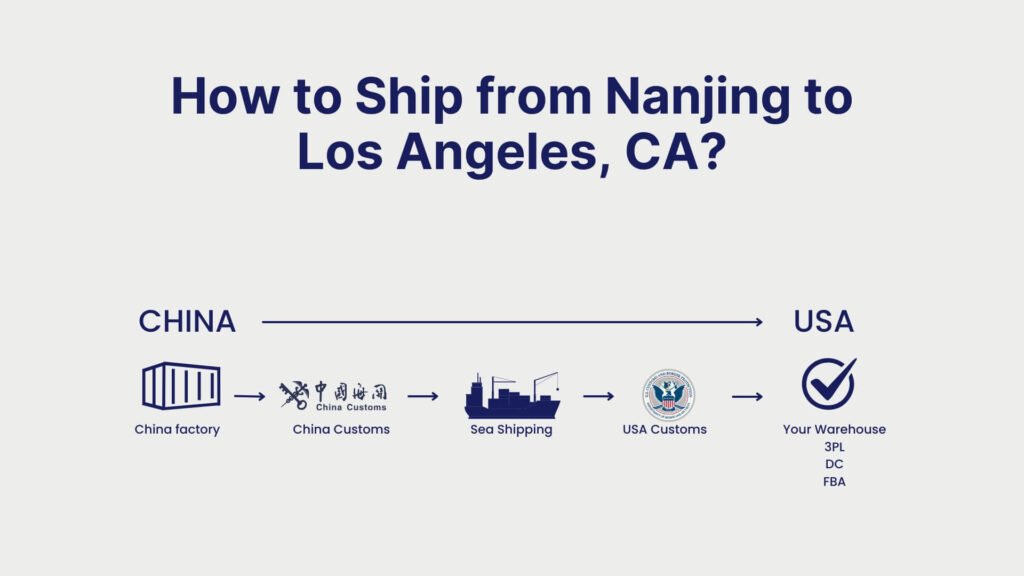
Shipping goods internationally can feel overwhelming. Many U.S. importers struggle to navigate the complexities of logistics, shipping options, and customs. Knowing the best way to ship your goods can save you time and money.
When shipping from Nanjing to Los Angeles1, you have various options, including ocean freight2, air freight3, and express courier services4. Choosing the right method depends on your cargo needs, budget, and urgency.
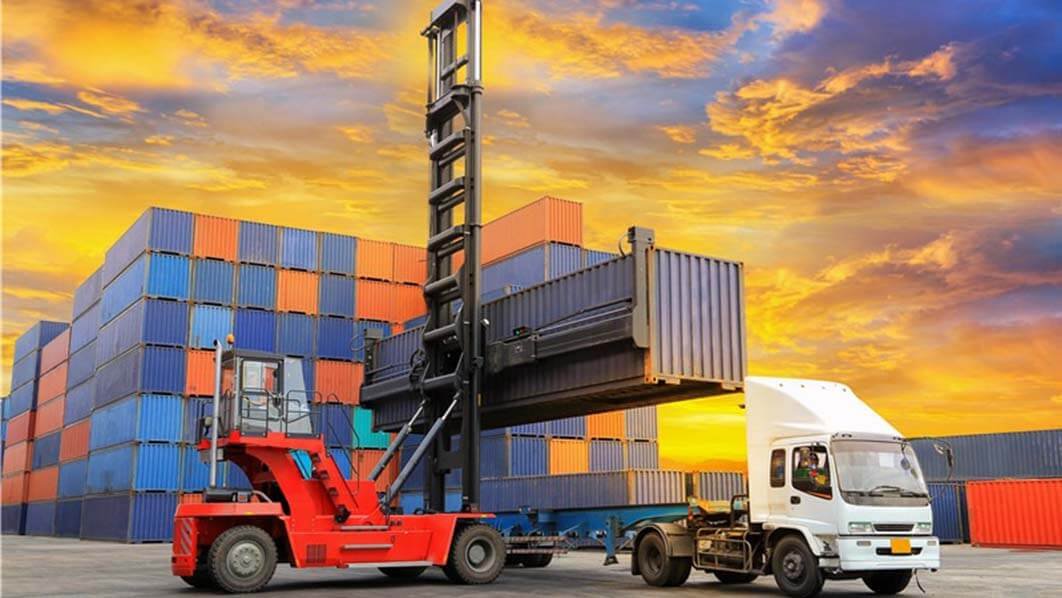
Shipping from Nanjing to Los Angeles1 involves understanding the logistics landscape. Each shipping method offers distinct advantages and challenges. The right choice can make a difference in cost, delivery speed, and cargo safety. I remember my first shipment; I chose the wrong method and faced unexpected fees and delays. Learning from that experience can help others avoid similar pitfalls.
Overview of Shipping Options from Nanjing to Los Angeles1 for U.S. Importers
Shipping from Nanjing to Los Angeles1 can be done via ocean, air, or express courier. Each method offers unique benefits tailored to your shipping needs.
Ocean freight is often the most economical choice for bulk shipments, providing substantial savings over time. Air freight is faster, making it suitable for urgent deliveries, while express couriers efficiently handle smaller packages. Partnering with a knowledgeable freight forwarder5 ensures compliance and smooth cargo transit.
Ocean freight is typically the go-to option for larger shipments due to its cost-effectiveness. However, air freight3 appeals to businesses needing speed or transporting high-value items. Express couriers serve businesses that need to send smaller parcels quickly. Understanding your specific needs and working with a freight forwarder5 can simplify the process. They help you navigate regulations, documentation, and logistics, ensuring your shipment arrives safely and efficiently.
Comparing Sea Freight and Air Freight: Cost, Speed, and Cargo Considerations
When choosing between sea freight and air freight3, a few key factors come into play – cost, speed, and the nature of your cargo.
Sea freight usually offers a lower cost per container, making it ideal for bulky or heavy shipments. Conversely, air freight3 provides faster transit times but at a higher cost, making it suitable for time-sensitive or high-value goods6. Forwarders help U.S. importers find the right balance between cost and speed.

To break it down even further, consider the following table comparing sea freight and air freight3:
| Criteria | Sea Freight | Air Freight |
|---|---|---|
| Cost | Lower per container | Higher per kilogram |
| Speed | Slower (weeks) | Faster (days) |
| Ideal For | Large, heavy shipments | Urgent, high-value goods6 |
| Cargo Security | Good with proper handling | Very high security |
With the right freight forwarder5, you can assess your shipment's needs and select the most effective shipping method. They will help you weigh the pros and cons to ensure your shipments arrive on time and within budget.
Calculating Shipping Costs: Container Sizes, Freight Rates, and Additional Fees
Calculating shipping costs7 from Nanjing to Los Angeles1 can be complex. Various factors influence the final price you pay.
Freight costs depend on container size, weight, volume, and additional fees, such as port handling and surcharges. Experienced forwarders provide detailed quotes and insights into consolidating shipments or selecting full container loads to optimize costs and avoid unexpected charges.

When it comes to calculating your shipping costs7, consider this simple breakdown:
- Container Sizes: Standard sizes include 20-foot and 40-foot containers.
- Freight Rates: Rates fluctuate based on demand, season, and fuel prices.
- Additional Fees: These can include customs fees, unloading fees, and insurance premiums.
Working with a freight forwarder5 can simplify this process. They provide estimates that account for every variable, helping you make informed decisions that won’t break the bank.
Customs Clearance and Duty Requirements for Imports from China to the U.S.
All shipments from China must comply with U.S. customs regulations. This involves adhering to specific documentation, tariffs, and duties.
Freight forwarders and customs brokers play a key role in managing these requirements. They handle the necessary filings, ensure proper classification of goods, and facilitate payments to prevent delays or fines at Los Angeles ports.

The customs process can be divided into a few essential steps:
- Documentation: Ensure all required paperwork, such as invoices, bills of lading, and packing lists, is in order.
- Tariff Classification: Properly classify your goods to determine applicable duties.
- Payments: Calculate and pay any duties and fees to avoid customs delays.
Working with a freight forwarder5 ensures these steps are handled efficiently, allowing for smooth customs clearance8 and timely delivery of your goods.
Common Shipping Challenges and How Forwarders Help Avoid Delays
Importers often face shipping challenges, such as port congestion9, documentation errors10, and carrier delays11.
Experienced forwarders proactively manage schedules, ensure proper paperwork, and maintain communication with carriers to minimize risks associated with shipping. Their expertise reduces the likelihood of delays, ensuring your shipment from Nanjing to Los Angeles1 arrives on time.
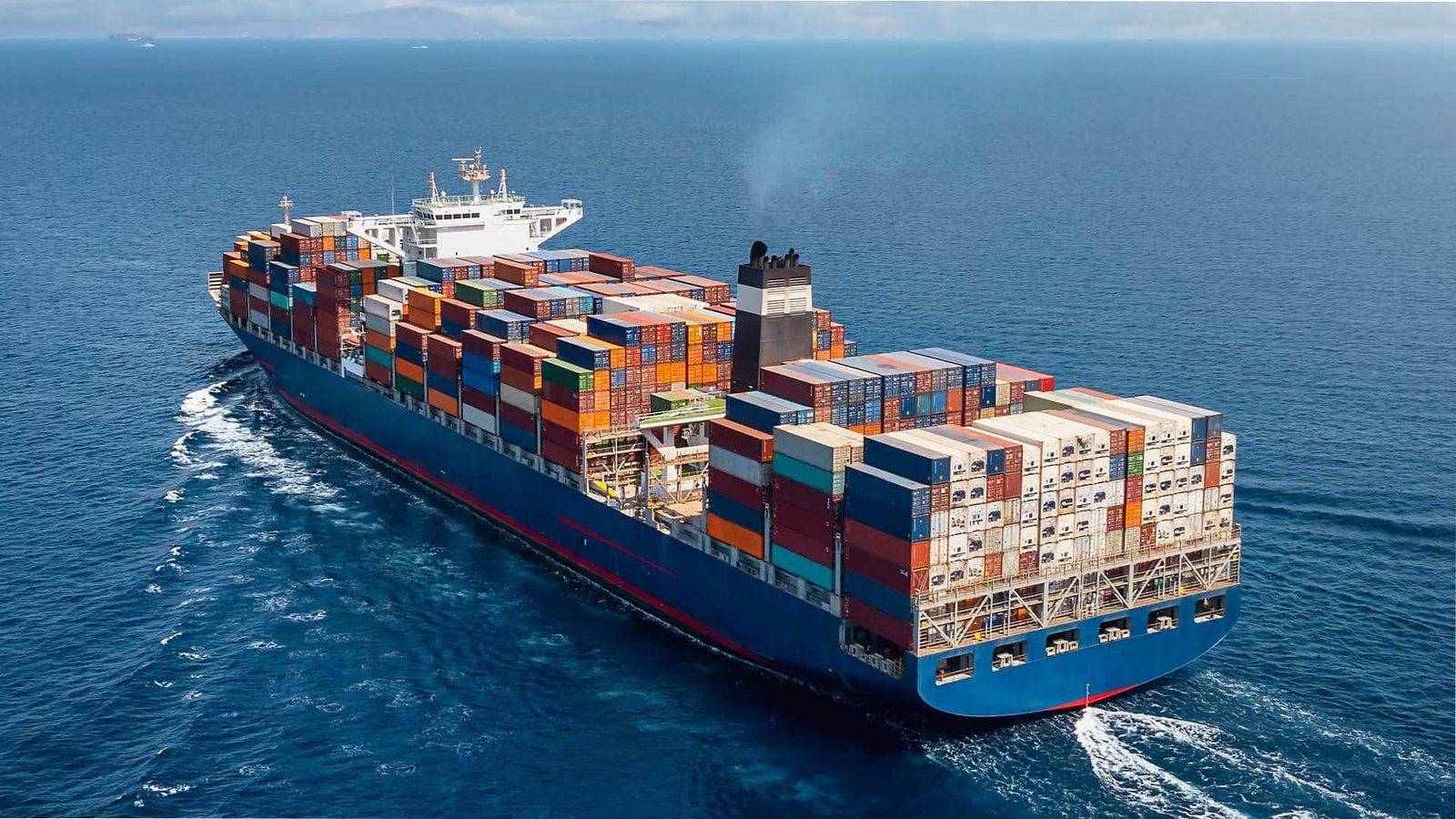
Here are some common challenges and how a good forwarder can help:
- Port Congestion: Forwarders keep track of port conditions and adjust plans accordingly.
- Documentation Errors: They ensure all documents are correct and submitted on time.
- Carrier Delays: Forwarders maintain communication with carriers to anticipate and resolve issues.
By being proactive, forwarders help mitigate shipping risks, giving you peace of mind as your goods travel across the ocean.
Choosing the Right Freight Forwarder or Agent for Smooth Nanjing-to-LA Shipments
Selecting a reliable freight forwarder5 is crucial for a smooth shipping experience. A good forwarder coordinates all aspects of shipping – from booking to customs clearance8.
The right partner ensures compliance, cost efficiency, and reliable delivery timelines, providing you with confidence in your supply chain. Their expertise can make all the difference in navigating the complexities of international logistics.

When choosing a freight forwarder5, consider the following:
- Experience: Look for a forwarder with a solid track record in China-to-U.S. shipping.
- Services Offered: Ensure they provide comprehensive services, including customs clearance8 and documentation.
- Communication: Choose a forwarder who communicates clearly and promptly.
An experienced forwarder can make your shipping process seamless, allowing you to focus on your business without worrying about the logistics.
Conclusion
Understanding how to ship from Nanjing to Los Angeles1 is essential for smooth international trade. Choosing the right shipping method and a reliable forwarder will save you time and money.
Choosing the right shipping option from Nanjing to Los Angeles can save time and money, making it essential for efficient trade. ↩
Ocean freight is a cost-effective option for bulk shipments, making it essential to understand its benefits for large-scale international trade. ↩
Air freight offers faster delivery times, crucial for urgent shipments, so understanding its advantages can help in making timely decisions. ↩
Express courier services are ideal for smaller, urgent packages, making them a valuable option for businesses needing quick delivery. ↩
Freight forwarders simplify the shipping process by handling logistics, compliance, and documentation, ensuring smooth transit of goods. ↩
Air freight offers high security and speed, making it ideal for transporting high-value goods safely and quickly. ↩
Calculating shipping costs accurately is crucial for budgeting and avoiding unexpected expenses. ↩
Understanding customs clearance is vital to avoid delays and fines, ensuring shipments comply with U.S. regulations. ↩
Port congestion can lead to significant delays, so knowing how to manage it is crucial for timely delivery of goods. ↩
Avoiding documentation errors is essential to prevent delays and additional costs in the shipping process. ↩
Carrier delays can disrupt supply chains, so understanding how to mitigate them is important for maintaining schedules. ↩