Shipping costs can be a mystery. Many importers struggle to understand how to estimate their fees accurately. Understanding this process can save you money.
Shipping cost calculators1 estimate fees based on shipment details such as origin, destination, weight, dimensions, and service level. Most calculators focus on carrier transportation charges2 only and provide a quote range rather than a final, all-inclusive shipping cost for importers.

Understanding how shipping cost calculators work is crucial for importers. Many rely heavily on these tools to plan their logistics. However, it is essential to recognize their limitations and the factors that influence the estimates provided.
How Shipping Cost Calculators Work and What Fees They Actually Estimate?
Shipping cost calculators1 are designed to provide estimates based on specific shipment parameters. They take into account factors like the origin and destination3 of the shipment, as well as the weight and dimensions of the package. The results can vary significantly depending on the input data used, which is why understanding the input requirements is key.
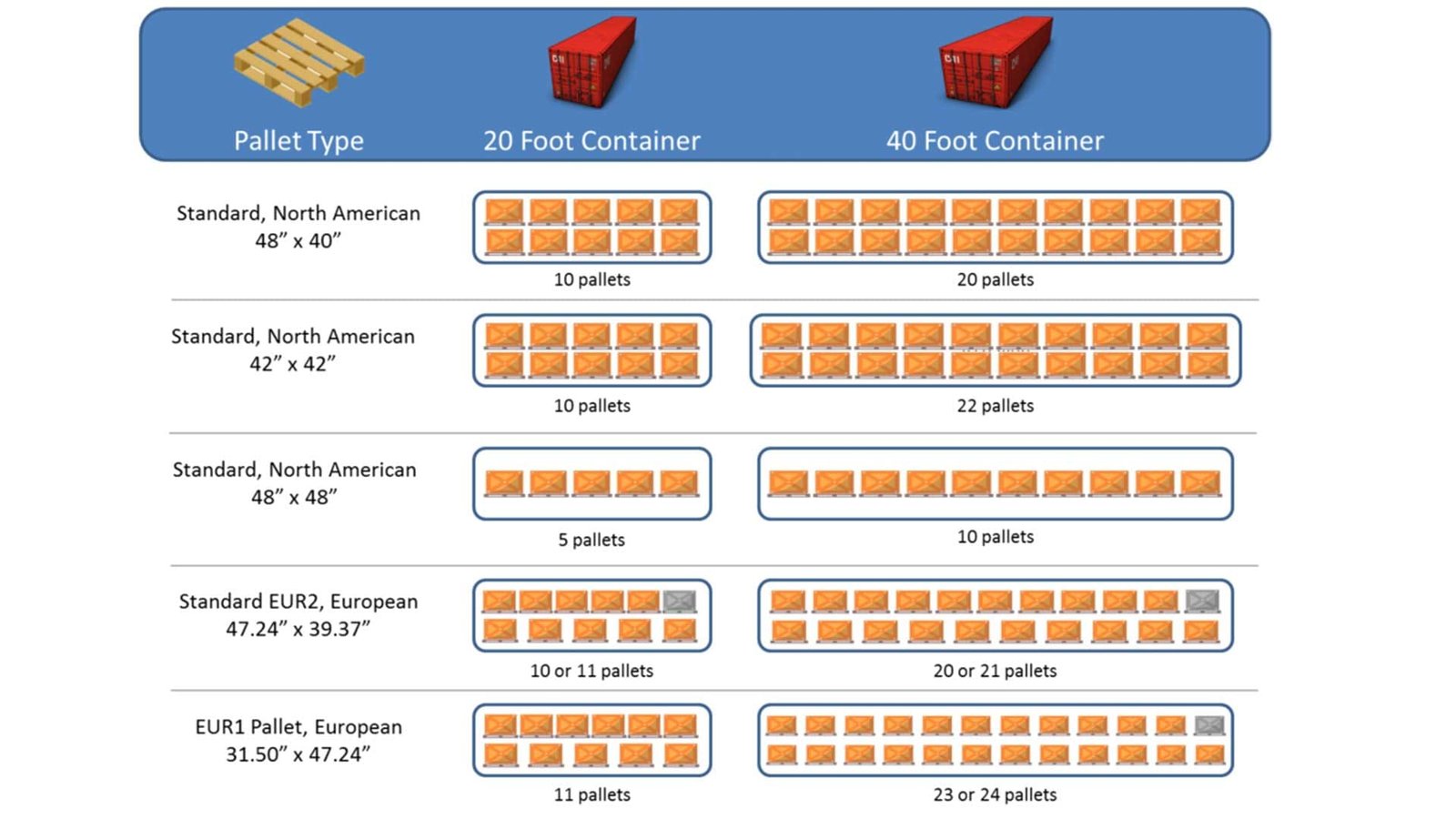
Calculator results depend on inputs like package weight, dimensions, distance, shipping method, and delivery speed. For freight shipments4, container size, pallet count, and routing also matter. Incorrect or incomplete inputs often lead to inaccurate cost expectations.

When using a shipping cost calculator, it's important to consider all of these inputs carefully. A common mistake is to overlook certain details, which can lead to unexpected costs down the line. For instance, if the dimensions are not entered accurately, the calculator may provide a misleading estimate regarding shipping fees.
Key Inputs That Determine Shipping Cost Calculator Results for Importers
The inputs into a shipping cost calculator can dramatically alter the final estimate provided. Each aspect plays a role in determining the total fees. This includes package weight, dimensions, distance, and more.
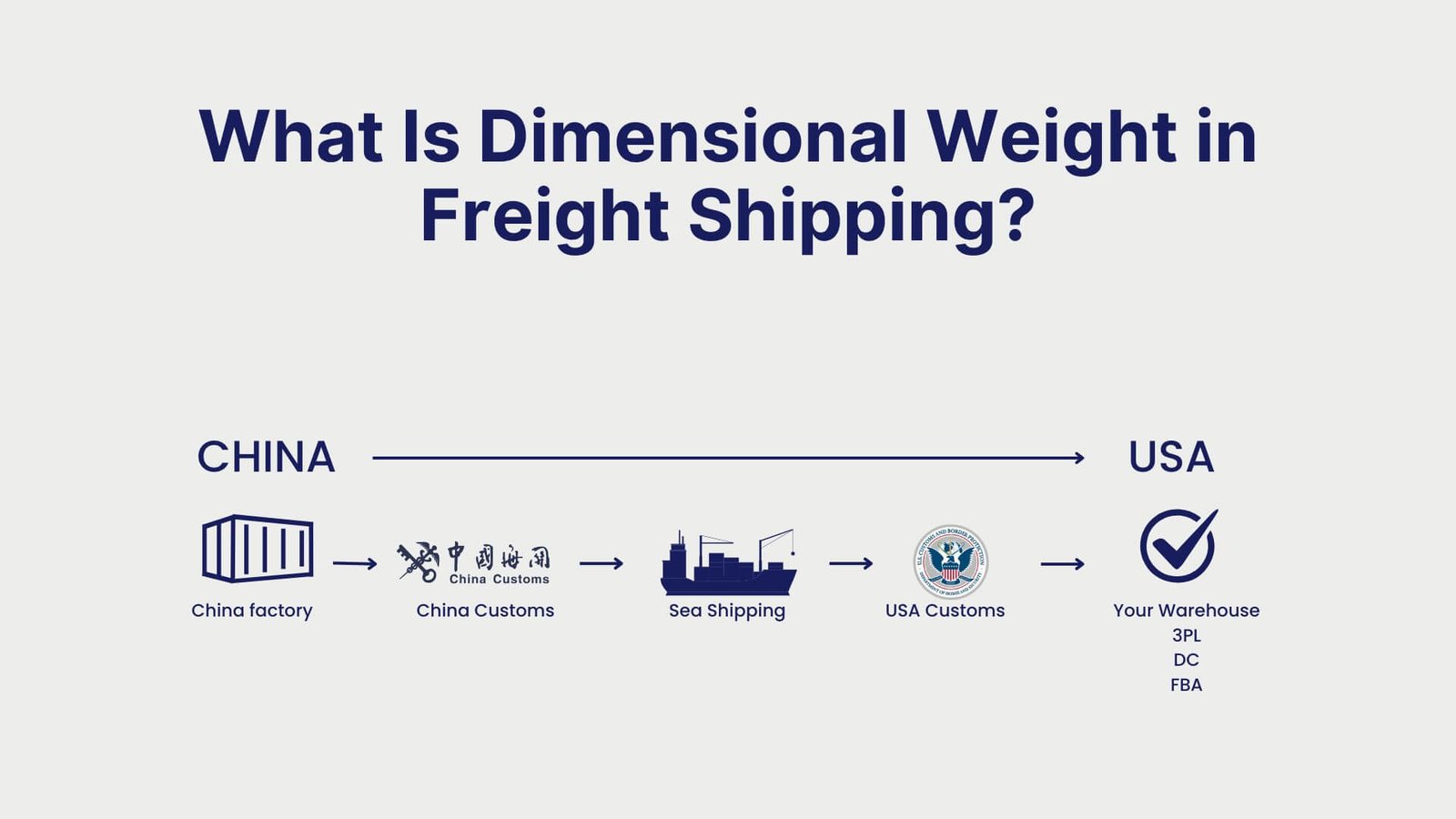
Carriers charge based on the greater of actual weight or dimensional weight5. Dimensional weight reflects the space a shipment occupies, meaning lightweight but bulky cargo can cost more than expected. Understanding this pricing rule is critical for accurate shipping cost estimates.

It is essential to know how carriers calculate their fees. Many importers overlook the importance of dimensional weight5. For example, a package may weigh 10 pounds but take up the space of a 20-pound package. Understanding the difference helps importers make better shipping decisions.
Weight vs Dimensional Weight and How They Impact Shipping Fees
Another crucial factor is the difference between actual weight and dimensional weight5. Carriers often use the greater of the two to determine shipping costs. This can come as a surprise to many importers, especially those dealing with lightweight but bulky items.
Carrier calculators6 are best for small parcels and express shipments, while freight calculators apply to palletized cargo and containers. U.S. importers should select calculators based on shipment size and mode to avoid comparing rates that are not operationally comparable.

When deciding which calculator to use, importers should consider the nature of their shipment. Carrier rate calculators work well for smaller packages, while freight calculators are tailored for heavier, bulk shipments. Understanding these differences will lead to more accurate estimates and help avoid confusion.
Carrier Rate Calculators vs Freight Calculators: What Importers Should Use
Many importers may not realize the limitations of shipping calculators. These tools often exclude vital costs that can impact the total landed cost.
Most shipping calculators exclude customs clearance fees7, duties, taxes, destination handling8, storage, and inland delivery. These omitted costs can significantly impact the final invoice, making calculators a planning tool rather than a complete landed-cost solution.
When budgeting for shipments, it's essential to remember that the estimates provided by calculators are not all-inclusive. Ignoring customs duties and clearance fees can lead to significant budgetary issues later. This is why understanding the complete cost structure is vital for importers.
Costs Shipping Calculators Commonly Exclude from Total Landed Cost
Importers can use shipping cost calculators to their advantage by understanding their functionalities and limitations.
Importers use shipping cost calculators to compare routes, service levels, and packaging options before booking. When combined with freight planning9 and customs cost analysis, calculators help reduce surprises and support more accurate budgeting and pricing decisions.

By being proactive and utilizing calculators effectively, importers can better manage their shipping expenses. This allows for informed decisions regarding shipment methods and costs. Understanding how to integrate calculator estimates with actual landed costs provides significant advantages.
How U.S. Importers Use Shipping Cost Calculators to Control Total Fees
Ultimately, shipping cost calculators serve as valuable tools for planning and budgeting. However, they should be used carefully.
The estimates you receive may vary significantly from the final invoice. This is often due to factors such as dimensional weight5, customs fees, and other costs that calculators typically exclude. By being aware of these aspects, U.S. importers can navigate their shipping processes more effectively.
Conclusion
In conclusion, understanding shipping cost calculators and their limitations is crucial for U.S. importers to control total fees effectively.
Explore how these tools estimate fees based on shipment details, helping importers plan logistics effectively. ↩
Learn about the primary costs that shipping calculators focus on, crucial for accurate budgeting. ↩
Understand how the starting and ending points of a shipment influence the cost estimates. ↩
Explore the specifics of freight shipments, including container size and pallet count. ↩
Find out how carriers use dimensional weight to calculate fees, affecting cost expectations. ↩
Learn about tools designed for small parcels and express shipments, aiding in cost estimation. ↩
Explore the often-excluded costs in calculators that can impact the total landed cost. ↩
Understand this often-overlooked cost that can affect the final shipping invoice. ↩
Discover strategies to combine with calculators for more accurate budgeting and cost control. ↩