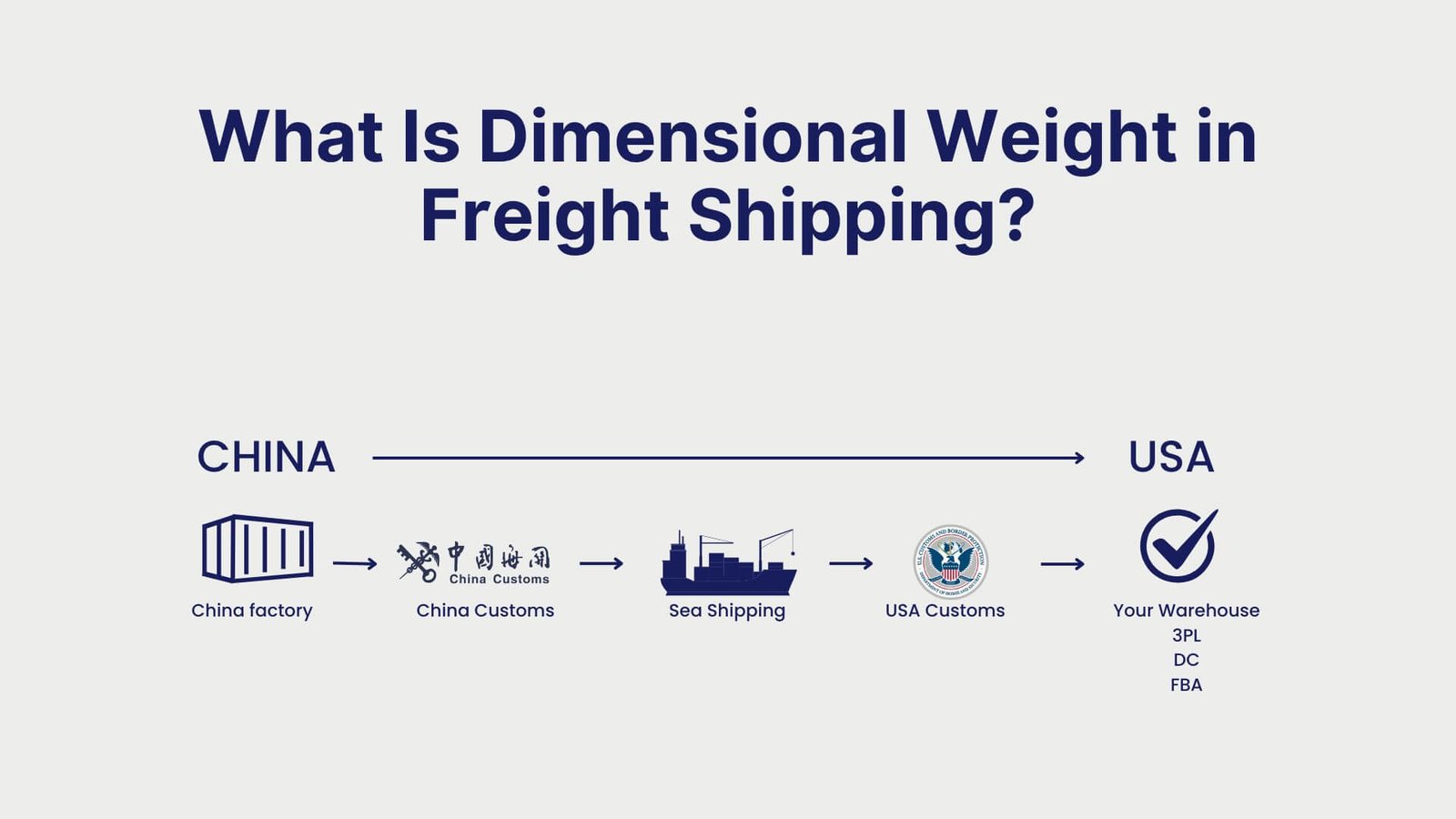
Shipping goods can be daunting, especially when you are dealing with international logistics1. Understanding shipping costs from China to the USA is crucial for making informed decisions and managing your budget effectively.
Shipping costs from China to the USA are calculated based on shipment size, weight, volume, shipping method, and destination. Importers pay not only freight rates2 but also origin handling, destination charges, customs clearance, and duties, making total landed cost3 more important than the quoted freight price.

To navigate the complexities of shipping costs, it's essential to be well-informed. Let's explore how these costs are calculated and what factors contribute to them.
How Shipping Costs from China to the USA Are Calculated for Commercial Imports?
Shipping costs aren't a straightforward figure. They encompass various elements, starting from the shipment's weight and dimensions to the chosen shipping method. When importing goods from China, you must consider both freight charges and additional expenses like handling fees and customs duties.
Shipping costs are driven by fuel prices, carrier capacity, port congestion, seasonal demand, equipment availability, and routing. Market volatility means rates can change quickly, making planning and timing critical for U.S. importers managing freight budgets.

Understanding the complete cost structure helps avoid surprises. It's essential to account for all components of shipping costs to have a realistic view of the financial implications of your import activities.
Ocean vs Air vs Express Shipping4 Costs from China to the USA?
Choosing the right shipping method can greatly impact your overall costs. Ocean freight is often the most economical for large shipments, while air freight is more suitable for urgent deliveries. Express shipping, while the fastest option, comes with the highest price tag.
Ocean freight offers the lowest cost per unit for large shipments, air freight balances speed and cost, and express shipping provides the fastest delivery at the highest price. U.S. importers choose shipping methods based on cargo value, urgency, and inventory requirements.

Evaluating your shipping needs against these options helps in selecting a method that aligns with your budget and delivery timeline.
Key Factors That Drive Shipping Costs from China to the USA?
Several factors can influence the cost of shipping from China to the USA. These include fluctuating fuel prices5, the availability of carriers, and congestion at ports. Seasonal demand can also play a significant role in driving costs up.
Common pitfalls include underestimating destination charges, choosing incorrect Incoterms6, shipping during peak seasons, and poor documentation. These issues often cause demurrage, storage fees, or customs delays that significantly increase total shipping costs.

Being aware of these variables helps you budget more accurately and avoid unforeseen expenses.
Customs Duties, Taxes, and Clearance Costs Importers Must Budget For
In addition to freight costs, importers must consider customs duties and clearance fees7. These can substantially affect your budget if not properly accounted for. Accurate classification and valuation of your goods are essential to avoid costly mistakes.
In addition to freight, U.S. importers must budget for customs clearance fees, import duties, taxes, and potential inspections. Accurate HS classification and valuation are essential, as customs errors can lead to delays, penalties, and unexpected costs.
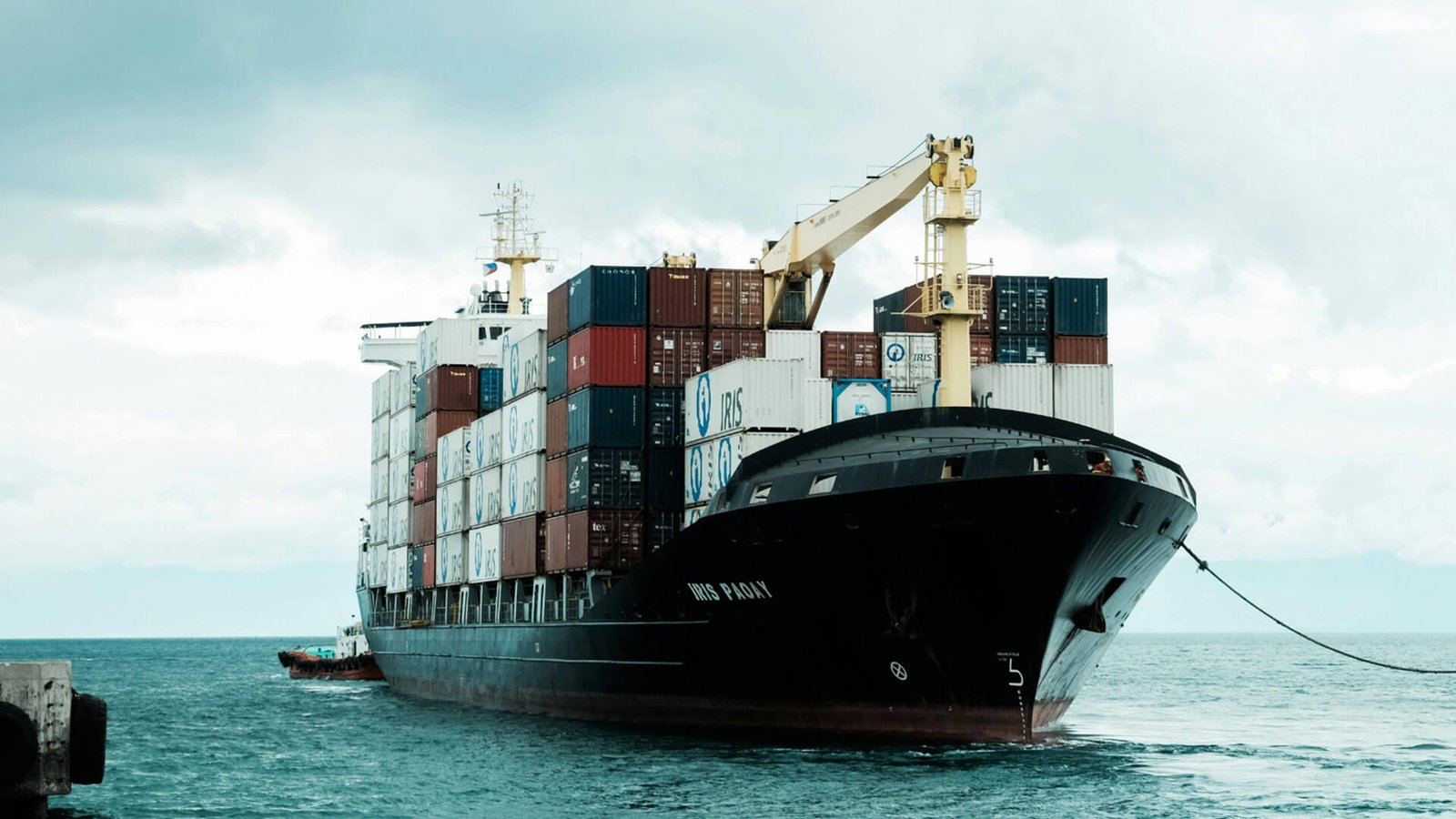
Proper planning for these expenses ensures smoother transactions and helps maintain compliance with U.S. regulations.
Common Cost Pitfalls That Increase China-to-USA Shipping Expenses
Mistakes can often lead to increased shipping costs. Underestimating destination charges or selecting the wrong Incoterms6 can result in significant financial setbacks. It’s vital to review all potential pitfalls when planning your shipments.
Common pitfalls include underestimating destination charges, choosing incorrect Incoterms6, shipping during peak seasons, and poor documentation. These issues often cause demurrage, storage fees, or customs delays that significantly increase total shipping costs.

Identifying and avoiding these mistakes can save you money and improve your shipping efficiency.
How U.S. Importers Can Reduce Shipping Costs from China Without Increasing Risk
There are several strategies importers can use to lower shipping costs without sacrificing quality or reliability. Consolidating shipments, choosing the right freight method, and optimizing packaging can significantly impact your bottom line.
Importers reduce shipping costs by consolidating cargo, selecting the right freight method, avoiding peak periods, optimizing packaging, and coordinating freight with customs planning. Working with experienced freight forwarders helps control costs while maintaining compliance and delivery reliability.

Partnering with knowledgeable logistics professionals helps ensure compliance and cost efficiency.
Conclusion
Understanding shipping costs from China to the USA is essential for any importer. By being informed about cost factors and strategies, you can make better decisions and reduce your expenses.
Understanding international logistics is crucial for managing global shipping efficiently and avoiding common pitfalls. ↩
Freight rates are a major component of shipping costs, and understanding them can help in negotiating better deals. ↩
Knowing the total landed cost helps in budgeting accurately and avoiding unexpected expenses in international trade. ↩
Choosing the right shipping method can save costs and meet delivery timelines effectively. ↩
Fuel prices directly affect shipping costs, and staying informed can help in cost management. ↩
Correctly using Incoterms can prevent financial setbacks and ensure smooth shipping transactions. ↩
Understanding these fees is essential to avoid unexpected costs and ensure compliance with regulations. ↩