Freight risks can cause significant disruptions in supply chains1, impacting costs and delivery timelines. Understanding these risks is crucial for importers to maintain efficiency and profitability.
The most common freight risks2 in international shipping include delays, cargo damage3, and compliance issues4. These risks can negatively affect your business by increasing costs, disrupting supply chains1, and damaging relationships with clients.
Managing freight risks2 is essential for maintaining a smooth supply chain. By identifying potential risks, you can take proactive steps to mitigate them. This guide will address various freight risks2 and provide actionable insights for U.S. importers.
What Are the Most Common Freight Risks in International Shipping and How Do They Impact Your Business?
Common freight risks2 include shipment delays5, cargo damage3, and regulatory compliance issues4. These factors can lead to increased costs, missed deadlines, and potential legal consequences, all of which can significantly impact your business operations.

In my experience as a logistics expert, I have witnessed a range of freight risks2 that U.S. importers face. Shipment delays can occur due to various factors, such as port congestion6 or carrier disruptions7. For example, if a shipment from China is delayed at a port, it may lead to stockouts for retailers, resulting in lost sales and damaged reputation.
Cargo damage is another common risk. A shipment could be mishandled during transit, leading to damaged goods. This situation not only raises costs for replacements but can also affect the trust between the importer and their customers.
Compliance issues can arise as well. Failing to meet U.S. customs regulations can lead to fines and shipment seizures. Even minor documentation errors8 can result in significant delays, causing a ripple effect in the supply chain.
To mitigate these risks, business owners should develop contingency plans9 and conduct thorough risk assessments10. Establishing strong relationships with reliable freight forwarders11 can also help navigate these challenges.
How Do Freight Delays, Port Congestion, and Carrier Disruptions Affect Supply Chain Performance?
Freight delays and port congestion6 can severely hinder supply chain performance by causing stock shortages and increasing operational costs, impacting overall business efficiency and customer satisfaction.

Freight delays can have a domino effect on a business's operations. When shipments are delayed at ports due to congestion, businesses may struggle to meet delivery deadlines. For instance, a company expecting a shipment of electronics for a holiday sales event may find themselves unable to fulfill orders, leading to disappointed customers and lost revenue.
Carrier disruptions can further complicate matters. If a chosen carrier experiences mechanical failure or strikes, the shipment may be delayed even longer. This unpredictability requires importers to have backup plans or alternative carriers ready to go at a moment's notice.
Additionally, port congestion6 can lead to increased costs. When containers sit longer at ports, businesses may incur demurrage and storage fees. By carefully planning shipments and selecting reliable carriers, importers can minimize the chances of facing these costly delays.
What Financial Risks Do Importers Face from Freight Cost Volatility, Damages, and Unexpected Charges?
Importers face financial risks12 from freight cost volatility13, potential damages during transit, and unexpected charges14 that can lead to budget overruns and reduced profit margins.
Freight cost volatility can catch importers off guard. For example, sudden spikes in fuel prices can lead to increased freight charges. This fluctuation complicates budgeting and can erode profit margins. Importers must stay informed about market trends and negotiate contracts with carriers that account for potential changes in costs.
Damages during transit also represent a financial risk. When cargo is damaged, importers may not only lose the product but also the associated profit. For instance, if delicate items such as glassware are poorly packed, they may arrive broken, leading to significant losses.
Unexpected charges such as customs fees or additional handling costs can also emerge. Importers must prepare for these possibilities by understanding the total landed costs and ensuring they have sufficient insurance coverage for their shipments.
Collaborating with freight forwarders11 can help mitigate these risks. They can provide insights on current freight market conditions, aiding importers in making informed decisions regarding shipping strategies.
How Can Compliance and Documentation Errors Lead to Customs Delays, Fines, or Shipment Seizures?
Compliance and documentation errors8 can lead to customs delays15, financial penalties, or even the seizure of shipments, severely impacting business operations and profitability.
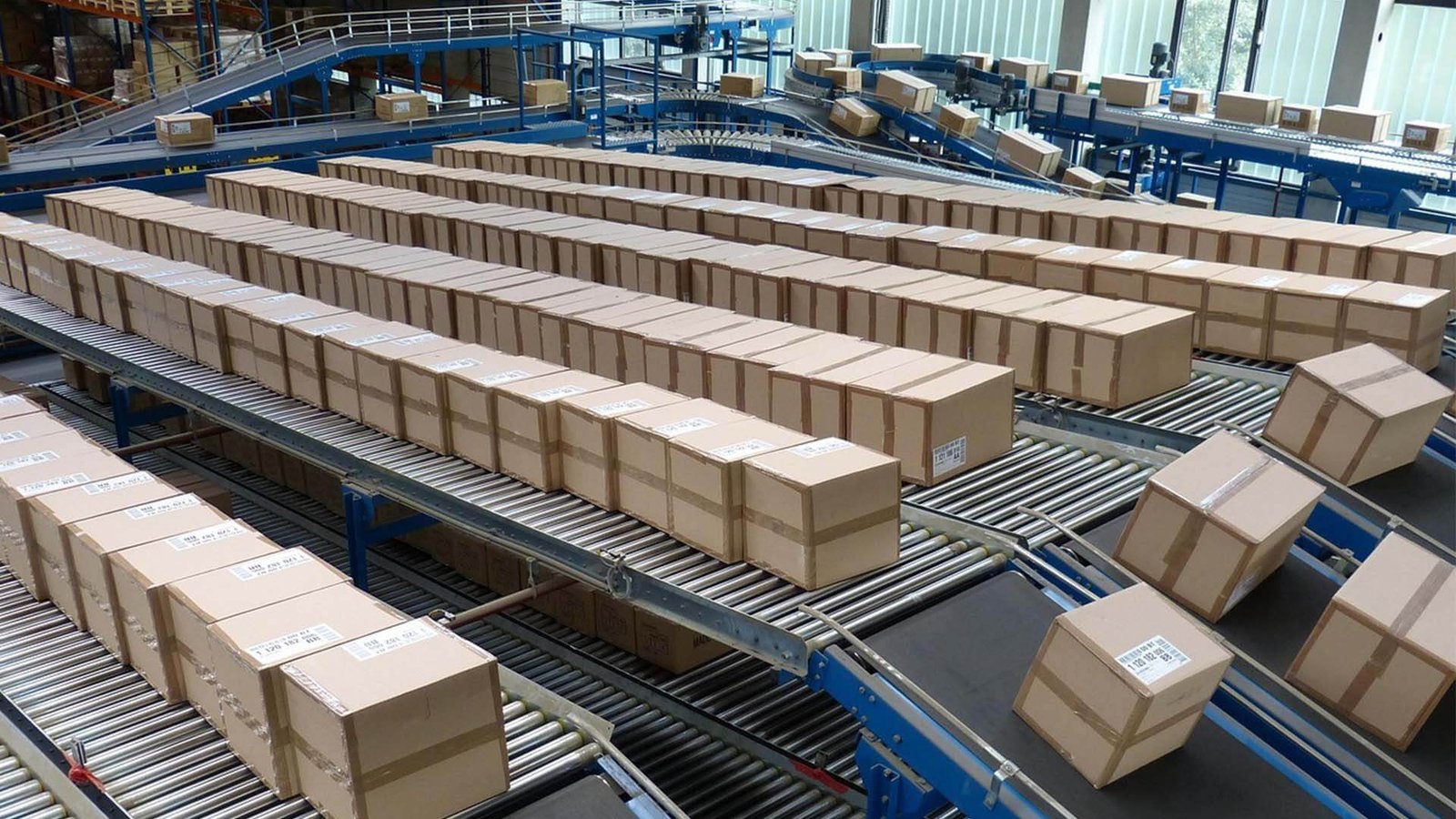
Documentation plays a crucial role in the import process. Accurate forms, invoices, and declarations are essential for smooth customs clearance. A minor mistake in paperwork can trigger delays. For example, if the Harmonized System (HS) code is incorrect, customs may hold the shipment for further inspection, causing delays that can cascade through the supply chain.
Additionally, failing to comply with U.S. import regulations can result in fines and penalties. If documents are not in order, customs may seize the shipment, leading to irreparable damage to customer relationships and additional costs to recover the goods.
To avoid these issues, businesses should invest in training their staff on compliance requirements and employ reliable logistics partners. Freight forwarders can assist in ensuring that all documentation is accurate and complete, significantly reducing the risk of customs-related complications.
What Proven Strategies Can Businesses Use to Identify, Assess, and Mitigate Freight Risks?
Businesses can utilize proven strategies such as risk assessments10, effective planning, and establishing strong partnerships to identify, assess, and mitigate freight risks2 effectively.
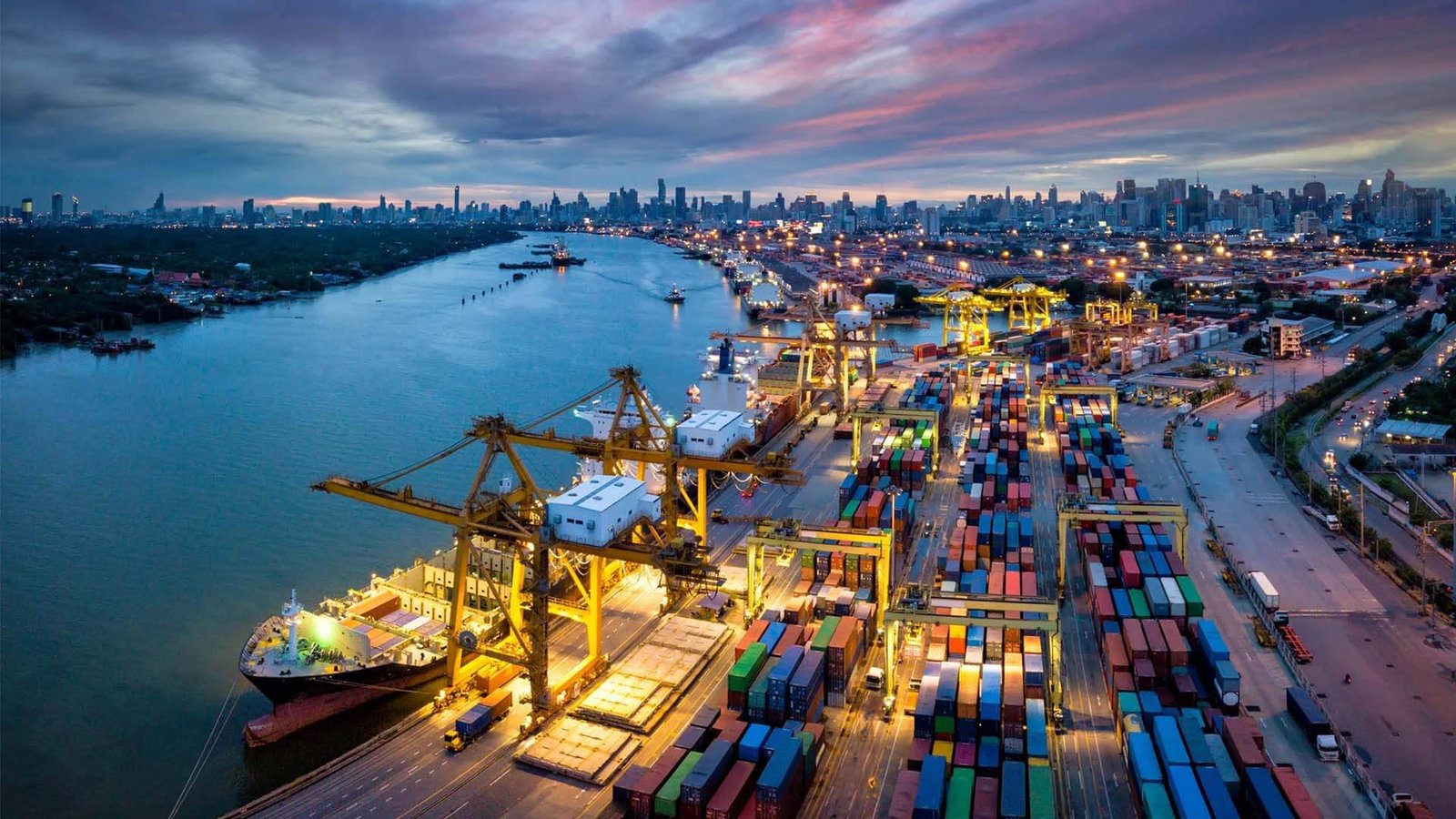
Identifying and assessing freight risks2 should be a continual process for any importing business. Regularly reviewing shipping routes, carrier performance, and potential bottlenecks allows businesses to stay ahead of issues before they escalate.
Effective planning is another key strategy. Developing contingency plans9 for various scenarios can significantly reduce disruptions. For instance, having alternative carriers lined up can help mitigate risks associated with potential delays.
Establishing strong relationships with freight forwarders11 and customs brokers16 is essential. These partners can provide valuable insights and guidance, helping businesses navigate the complexities of international shipping. They can also assist in risk assessments10 and develop tailored strategies based on specific business needs.
Training employees on compliance and documentation processes can help mitigate risks further. Knowledgeable staff can catch potential errors before they lead to costly delays and penalties.
How Can Freight Forwarders and Customs Brokers Help Reduce Risk and Improve Supply Chain Reliability?
Freight forwarders and customs brokers16 play a vital role in reducing risks and improving supply chain reliability17 by providing expertise, insights, and proactive management of logistics processes.

Freight forwarders are crucial in managing logistics risks. They have extensive knowledge of shipping regulations and can help identify potential risks before they impact the supply chain. By leveraging their industry connections, forwarders can also find alternate solutions quickly in case of disruptions.
Customs brokers ensure that all documentation is accurate and compliant, reducing the risk of customs delays15 and fines. They can guide importers through the complex customs process, ensuring that shipments clear customs without unnecessary holdups.
Moreover, freight forwarders11 and customs brokers16 can offer insurance options18 to protect goods during transit. This additional layer of protection can provide peace of mind for businesses, knowing that they are covered in case of unforeseen issues.
By partnering with these logistics experts, businesses can enhance their overall supply chain reliability17 and reduce the financial impacts associated with freight risks2.
Conclusion
Effectively managing freight risks2 is essential for U.S. importers seeking to protect their businesses and enhance supply chain efficiency.
Supply chains are the backbone of global trade, and understanding their vulnerabilities can help in mitigating risks. ↩
Understanding freight risks is crucial for maintaining efficiency and profitability in supply chains. ↩
Preventing cargo damage is essential to maintain product quality and customer trust. ↩
Compliance issues can lead to fines and shipment seizures, affecting business operations. ↩
Shipment delays can disrupt business operations, leading to increased costs and missed deadlines. ↩
Port congestion can cause significant delays, impacting delivery schedules and increasing costs. ↩
Carrier disruptions can lead to unpredictable delays, requiring contingency planning. ↩
Documentation errors can lead to customs delays and financial penalties. ↩
Contingency plans help businesses prepare for unexpected disruptions in the supply chain. ↩
Risk assessments are vital for identifying potential issues and planning mitigation strategies. ↩
Freight forwarders provide expertise and solutions to navigate shipping challenges. ↩
Financial risks can erode profit margins and lead to budget overruns if not managed properly. ↩
Freight cost volatility can complicate budgeting and affect profitability. ↩
Unexpected charges can lead to budget overruns and financial strain on businesses. ↩
Minimizing customs delays is crucial for maintaining smooth supply chain operations. ↩
Customs brokers ensure compliance and smooth customs clearance, reducing delays. ↩
Improving supply chain reliability is key to maintaining business efficiency and customer satisfaction. ↩
Insurance options provide peace of mind by covering potential losses during shipping. ↩