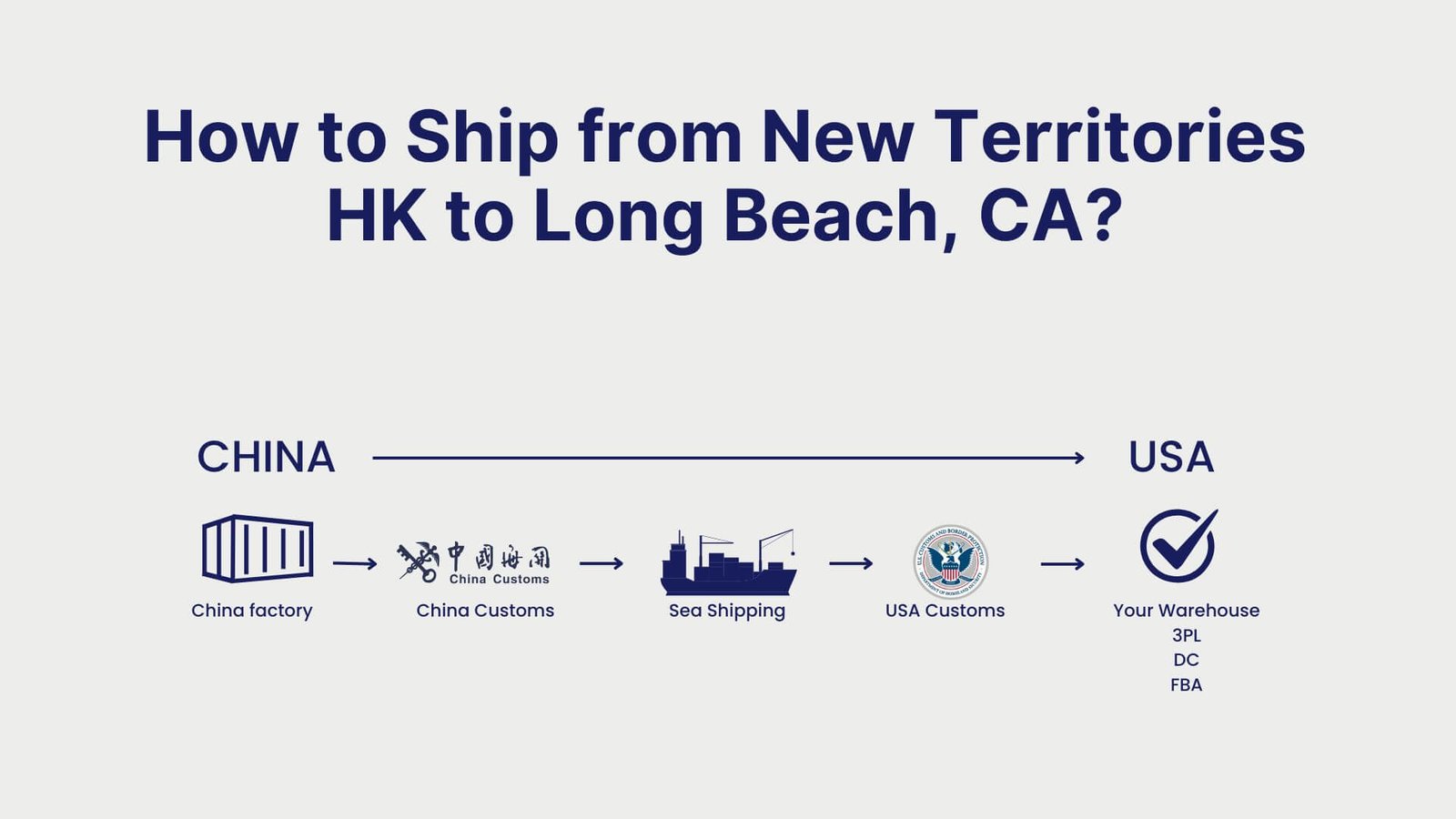
Shipping goods from New Territories, Hong Kong to Long Beach, CA can be confusing and costly. Understanding the logistics, pricing, and customs can save U.S. importers time and money.
Shipping costs vary by container type (FCL/LCL)1, seasonality, fuel surcharges2, origin handling, and U.S. port fees. Hidden costs like destination charges3 and customs clearance fees4 can also arise. Rates fluctuate weekly due to global demand and carrier space availability.
Navigating the shipping landscape requires careful consideration. With multiple factors influencing costs and timelines, it's crucial to stay informed.
How Much Does It Really Cost to Ship from New Territories Hong Kong to Long Beach and What Drives Freight Pricing for U.S. Importers?
The cost of shipping from Hong Kong to Long Beach can be perplexing. Many importers like you need clarity. Factors such as container type, seasonality, and port fees all come into play. Understanding these can save you significant amounts.
Shipping costs vary by container type (FCL/LCL)1, seasonality, fuel surcharges2, origin handling, and U.S. port fees. Hidden costs like destination charges3 and customs clearance fees4 can also arise. Rates fluctuate weekly due to global demand and carrier space availability.

Many importers often overlook additional fees. These can include destination charges3 and customs clearance costs. It's essential to factor these into your budget. Rates can change based on market demand and shipping capacity.
How Long Does Sea and Air Freight Take from Hong Kong New Territories to Long Beach and What Causes Hidden Transit Delays?
When planning your shipments, knowing transit times is key. Sea freight typically takes longer than air freight. However, both methods have their own challenges.
Average transit times are 12–18 days for ocean freight and 2–5 days for air freight, plus potential customs clearance delays. Risks include port congestion at Long Beach5, vessel rollovers6, and peak season delays that are often not included in standard transit estimates.

Delays can occur due to various reasons. For instance, Long Beach port congestion can significantly impact your schedule. Understanding these potential delays can help you plan better and reduce frustration.
What Is the Most Efficient Shipping Method from Hong Kong to Long Beach for U.S. Importers: FCL, LCL, Air Freight, or Express?
Choosing the right shipping method is crucial for cost-effectiveness. Each option has its strengths and weaknesses.
FCL is best for cost efficiency at scale, while LCL suits small shipments, and air freight is used for urgent or high-value goods. Comparing these methods can help you determine the best fit for your needs.
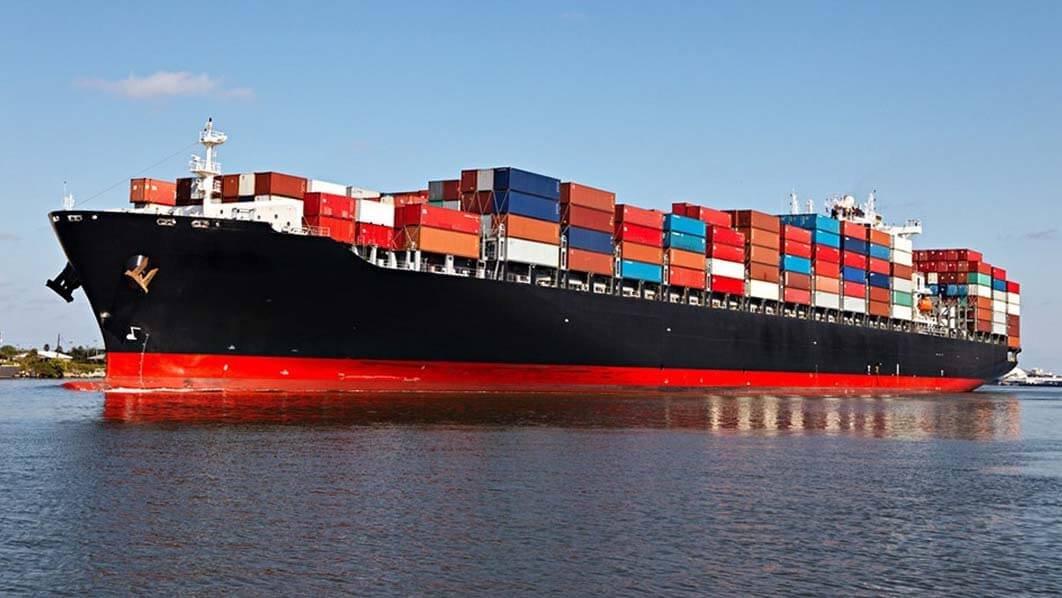
Many importers feel uncertain about which method to choose. This uncertainty can lead to higher costs or delays. Engaging with a logistics expert can provide clarity and reassurance in your decision-making process.
How Do U.S. Customs Clearance, ISF Filing, and Import Duties Work When Shipping from Hong Kong to Long Beach Port?
Customs clearance can be a daunting aspect for many importers. Understanding the requirements is essential to avoid penalties.
ISF (Importer Security Filing)7 is required 24 hours before loading. The customs clearance process requires accurate HS code classification8 and duty/tariff calculations. Delays or penalties can occur if documentation is incorrect or late.

Many importers overlook the importance of proper documentation. Missing or incorrect information can lead to significant delays. By investing time to understand these requirements, you can streamline your shipping process.
What Are the Most Common Shipping Risks, Port Congestion Issues, and Cargo Damage Problems on the Hong Kong to Long Beach Route?
Shipping risks can have serious consequences. Understanding these risks can prepare you for potential challenges.
Common risks include Long Beach port congestion, vessel delays, container shortages, cargo shifting9, and incorrect packaging. Peak season disruptions can lead to financial losses, but proper insurance and freight handling can mitigate risks.
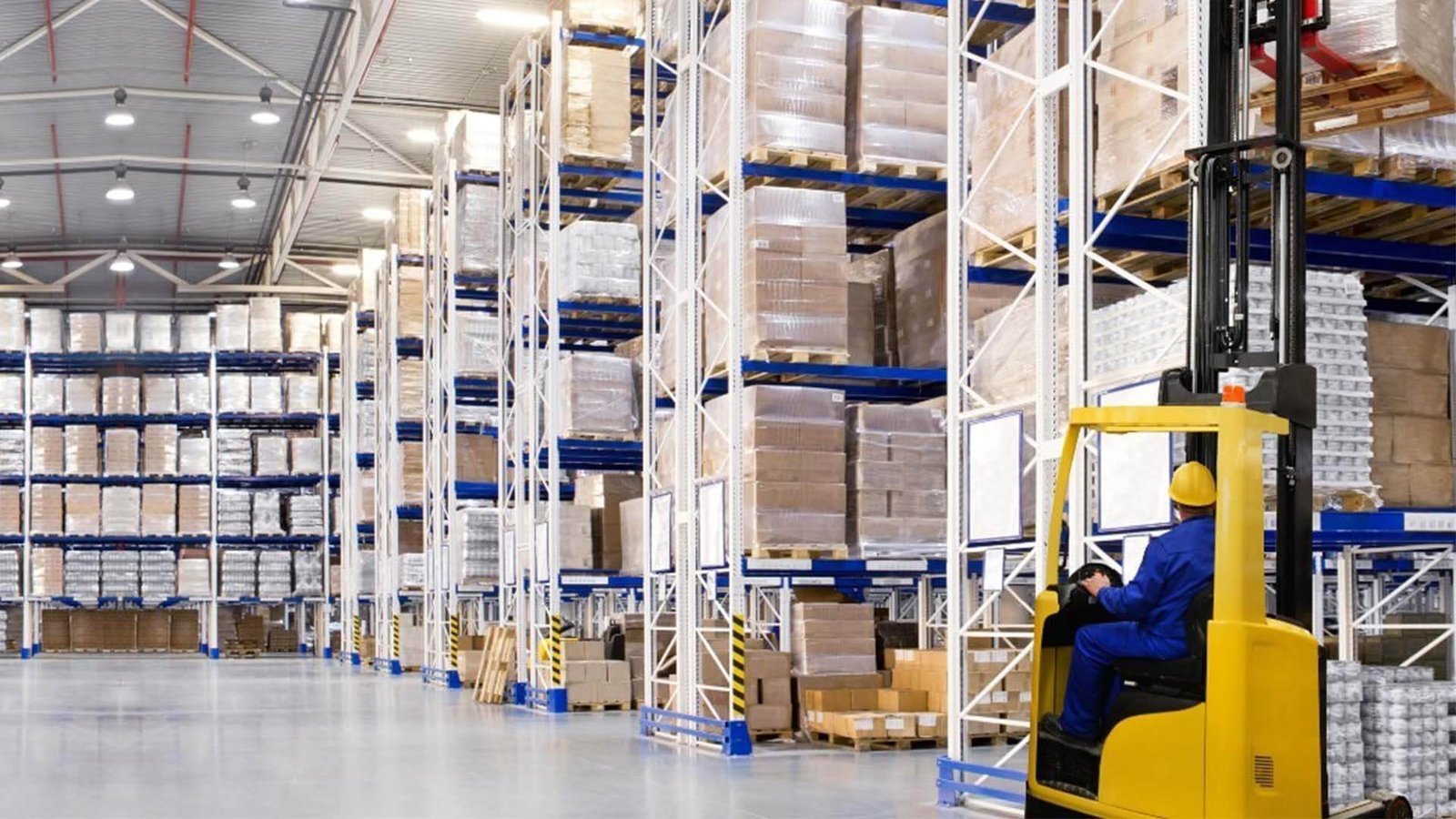
Many importers often underestimate the potential for cargo damage or delays. These issues can create significant financial burdens. By taking proactive measures, such as insurance and careful packaging, you can minimize risks.
How Can U.S. Importers Optimize Supply Chain Efficiency When Shipping from Hong Kong New Territories to Long Beach with Freight Forwarders?
Optimizing your supply chain can lead to substantial savings. Collaborating with experienced freight forwarders10 can significantly streamline your operations.
Importers can reduce costs and delays through consolidation, early space booking, working with experienced freight forwarders10, optimizing Incoterms, and using end-to-end logistics visibility.

Many importers fail to fully utilize the expertise of freight forwarders10. This can lead to unnecessary delays and increased costs. By optimizing your partnership with logistics experts, you can enhance efficiency and reduce overhead.
Conclusion
Shipping from Hong Kong to Long Beach requires a deep understanding of logistics, customs, and risks. Partnering with experts can reduce importer risk and total landed cost.
“Contact us today for a customized Hong Kong to Long Beach shipping solution.”
Understanding the differences between FCL and LCL can help you choose the most cost-effective shipping method for your needs. ↩
Fuel surcharges can significantly impact shipping costs, and knowing how they work can help you budget more accurately. ↩
Destination charges can be a hidden cost in shipping, and understanding them can prevent unexpected expenses. ↩
Knowing how customs clearance fees are calculated can help you avoid surprises and plan your budget effectively. ↩
Port congestion can delay shipments, so understanding its causes can help you plan better and avoid disruptions. ↩
Vessel rollovers can cause delays, and knowing about them can help you mitigate risks in your shipping schedule. ↩
ISF is crucial for compliance and avoiding penalties, so understanding it is essential for smooth customs clearance. ↩
Correct HS code classification is vital for accurate duty calculations and avoiding customs issues. ↩
Preventing cargo shifting is important to avoid damage, and knowing how to secure cargo can save costs. ↩
Freight forwarders can streamline your shipping process, and understanding their role can enhance your supply chain efficiency. ↩