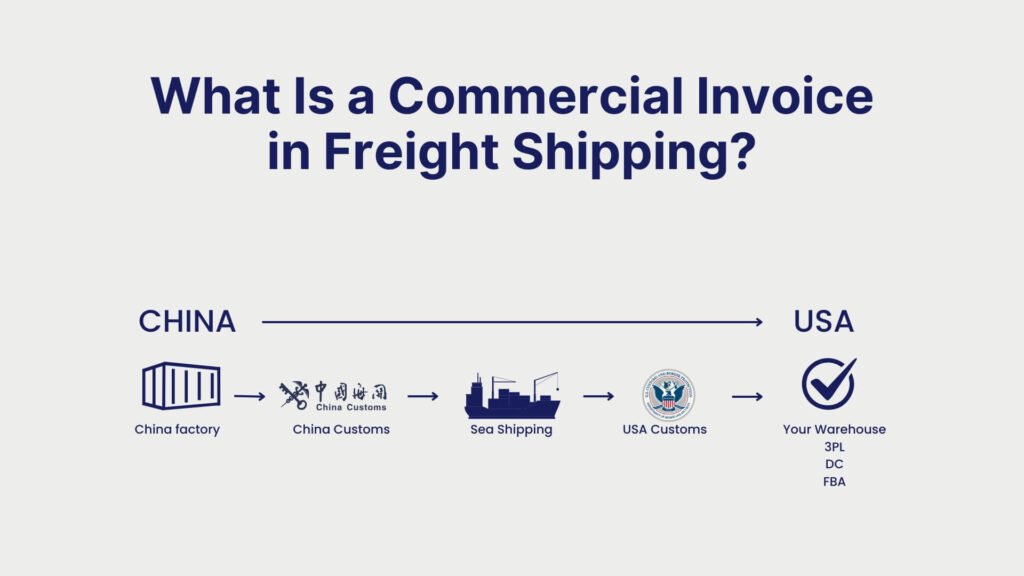
A commercial invoice is a key document in international shipping. It details the transaction between the buyer and seller and is essential for customs clearance1.
A commercial invoice is a crucial document for international shipping, providing detailed information on the transaction between buyer and seller. It is vital for customs clearance1 and determining duties and taxes.
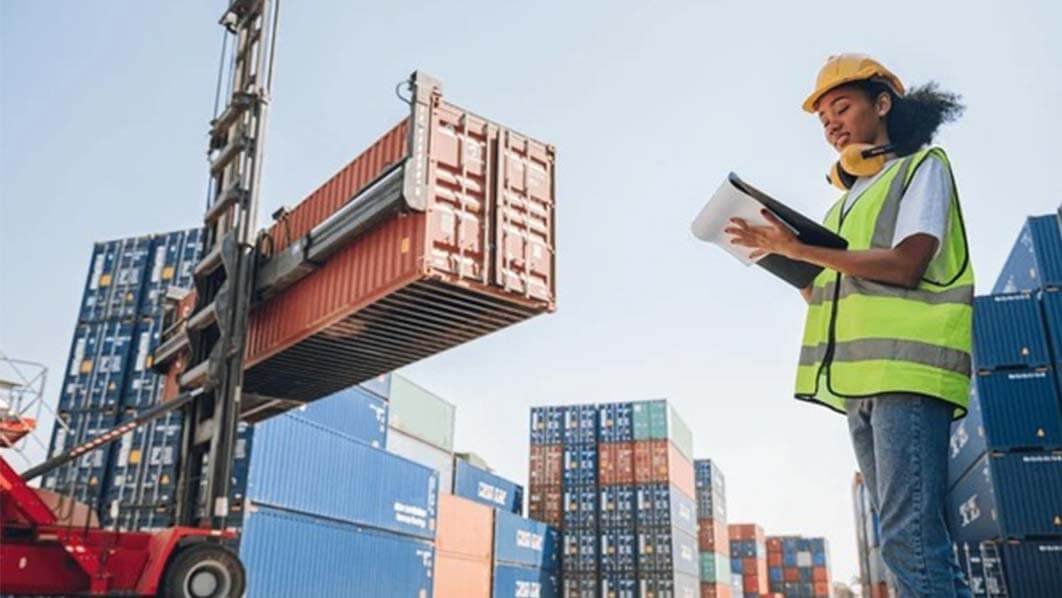
The commercial invoice serves as a foundation for smooth international shipping. Without it, customs clearance1 can be delayed, and shipments can face holds or additional inspections. Understanding its role is crucial for importers.
What Is a Commercial Invoice in International Shipping and Why Is It the Most Important Customs Document?
A commercial invoice acts as a legal document2 between the exporter and importer, detailing the goods being shipped and their value. This document is required for customs processing, making it the most important customs document.
The commercial invoice is more than just a bill; it is a legal document2 that outlines the terms of sale3. Customs authorities scrutinize it to ensure compliance with relevant regulations. For U.S. importers, missing or incorrect information can lead to shipment delays4, increased duties, or even penalties. I’ve seen cases where an importer’s goods were held due to missing invoice details, causing major disruptions in their supply chain.
What Information Must Be Included in a Commercial Invoice to Pass U.S. and International Customs Clearance?
A commercial invoice must include the seller and buyer’s names, addresses, description of goods, quantities, prices, and terms of sale3. This information is necessary to meet customs requirements and avoid delays.
The commercial invoice must contain all essential details for customs clearance1. Missing information can lead to miscalculations of duties or taxes. For instance, if a description of goods is vague, customs officers may delay clearance while they seek clarification. I’ve seen importers struggle with incorrect valuations5 that result in unexpected tax bills, impacting their bottom line. Customs relies heavily on the information provided in the commercial invoice to assess the shipment correctly.
Who Is Responsible for Preparing the Commercial Invoice: The Exporter, Freight Forwarder, or Customs Broker?
Typically, the exporter is responsible for preparing the commercial invoice. However, freight forwarders6 and customs brokers can assist in ensuring accuracy and compliance with regulations.
The primary responsibility for the commercial invoice lies with the exporter. However, freight forwarders6 and customs brokers play a crucial advisory role. They help importers navigate complexities and ensure that all necessary details are captured correctly. For example, I’ve worked with clients who relied on their freight forwarders6 to verify the proper classification of goods and prevent costly penalties. It’s important for importers to involve their logistics partners early in the documentation process to avoid last-minute issues.
How Does a Commercial Invoice Impact Customs Duties, Taxes, and Import Cost Calculations?
Customs duties and taxes are calculated based on the information provided in the commercial invoice. Accurate values are essential to avoid unexpected costs and ensure compliance.
The commercial invoice directly impacts the calculation of duties and taxes. Any misrepresentation of values can lead to overpayment or underpayment, both of which can have adverse effects. I’ve seen importers penalized for undervaluing their goods, resulting in fines and delays. Additionally, incorrect invoice details can trigger audits from customs authorities. Therefore, ensuring accurate representation of the goods on the commercial invoice is vital for importers aiming to maintain compliance and control costs effectively.
What Are the Most Common Commercial Invoice Errors That Cause Customs Delays, Inspections, or Penalties?
Common errors on commercial invoices include incorrect product descriptions, miscalculations of values, and missing required information. These mistakes can lead to customs delays and additional inspections.
Errors on a commercial invoice can have serious consequences. A simple mistake in the product description can trigger a customs inspection, leading to delays and increased costs. In my experience, I have seen businesses face significant operational disruptions due to these oversights. Accurate descriptions, values, and all required information are crucial to prevent customs delays and penalties. Education on common errors is essential for importers to mitigate risks and ensure smooth customs clearance1.

How Do Freight Forwarders and Customs Brokers Use the Commercial Invoice to Ensure Smooth International Shipping?
Freight forwarders and customs brokers utilize the commercial invoice to guide the customs clearance1 process. They verify accuracy, ensure compliance, and help reduce the risk of delays.
Freight forwarders and customs brokers play a critical role in the shipping process. They use the commercial invoice to confirm that shipments meet regulatory requirements and assist in preventing errors. For instance, they cross-check invoice details7 with other documents like the bill of lading and packing list. In my experience, having a good customs broker can make all the difference in avoiding unnecessary holds or inspections at customs. Their expertise ensures that all documentation is in order, safeguarding the importer's interests and optimizing the shipping process.

Conclusion
Understanding the commercial invoice is vital for U.S. importers to ensure compliance and avoid costly delays or penalties.
Understanding customs clearance is crucial for smooth international shipping, as it helps avoid delays and ensures compliance with regulations. ↩
Knowing why a commercial invoice is a legal document helps importers understand its importance in international trade and compliance. ↩
Understanding the terms of sale in a commercial invoice is essential for both buyers and sellers to ensure clear transaction agreements. ↩
Learning about shipment delays due to incorrect invoices can help importers avoid costly disruptions in their supply chain. ↩
Exploring the impact of incorrect valuations helps importers avoid unexpected tax bills and maintain accurate cost calculations. ↩
Understanding the role of freight forwarders in handling commercial invoices can help importers ensure compliance and avoid delays. ↩
Cross-checking invoice details with other documents ensures accuracy and compliance, reducing the risk of customs issues. ↩