The concept of shipping can often be confusing and overwhelming, especially when it comes to understanding Incoterms.
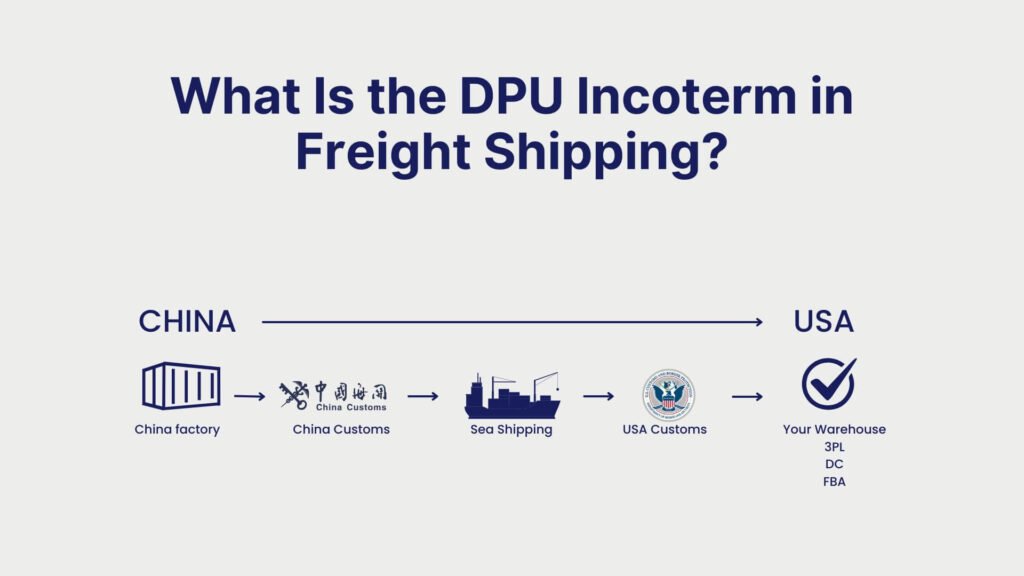
DPU (Delivered at Place Unloaded)1 is an Incoterm where the seller delivers goods to a named location and is responsible for unloading. This minimizes confusion and enhances clarity in shipping responsibilities.

Understanding shipping terms is essential for both sellers and buyers. The DPU Incoterm plays a critical role in defining who is responsible for what within the shipping process. Let’s explore DPU in detail and see how it can benefit both parties.
What Is the DPU Incoterm and How Does It Work in Freight Shipping?
DPU is a relatively new Incoterm established by the International Chamber of Commerce (ICC)2 in 2020. It specifies that the seller is responsible for delivering goods to a named location and unloading them at that location. Once the goods are unloaded, the risk shifts from the seller to the buyer. This clear delineation of responsibility helps to eliminate misunderstandings and disputes.
DPU is particularly useful for importers who are looking for a straightforward shipping process. I remember the first time I dealt with DPU. It made things much easier, as I could clearly see what I was responsible for and what the seller needed to handle. This clarity not only helped me manage my logistics better but also gave me peace of mind during the shipping process.

Responsibilities of Sellers and Buyers Under DPU: Costs, Risk, and Delivery
With DPU, the seller takes care of several important tasks. They handle export clearance3, pay for the freight to transport the goods, and are responsible for unloading at the destination. This means that the seller must ensure that the goods arrive at the specified location safely and are unloaded properly.
On the other hand, buyers are responsible for receiving the goods after unloading. This structure offers a predictable framework for costs and risks. As an importer, having this kind of predictability in delivery costs allows for better budget planning. It also simplifies logistics management and customs compliance.
How DPU Differs from Other Incoterms Like DAP, DDP, and FOB
DPU is unique compared to other Incoterms such as DAP (Delivered at Place)4, DDP (Delivered Duty Paid)5, and FOB (Free on Board)6. The key difference with DPU is that it includes unloading responsibilities. In DAP, the buyer is responsible for unloading, while in DDP, the seller must handle duties and taxes along with delivery. FOB only covers the costs associated with delivering goods to the port of shipment.
Understanding these differences is crucial for U.S. importers. Using the correct Incoterm can significantly affect cost management, risk handling, and operational efficiency. I often emphasize the importance of selecting the right Incoterm when discussing shipping options with clients.
Customs Clearance, Duties, and Insurance Considerations in DPU Shipments
In the context of DPU shipments, buyers usually take on the responsibility for customs clearance7 and import duties unless both parties agree otherwise. It's crucial for buyers to be aware of their obligations in this regard to avoid unexpected costs. Sellers may also suggest obtaining insurance for potential transit risks.
Working with freight forwarders8 can make this process smoother. They are invaluable in guiding importers through the necessary documentation, compliance checks, and risk mitigation strategies. This guidance helps prevent delays and unexpected fees at U.S. ports, which can be a massive headache for importers.

When to Use DPU for U.S. Imports and the Advantages for Importers
DPU is particularly advantageous when the cargo requires the seller to handle delivery and unloading at the importer's facility or warehouse. This arrangement reduces the complexity of handling for buyers, ensuring that goods are delivered promptly and responsibly.
I’ve seen how using DPU can give U.S. importers more control over their supply chains. It streamlines the process and alleviates the burdens that often accompany international shipping. Importers can focus on their core business rather than dealing with complicated logistics.

How Freight Forwarders Help Manage DPU Shipments Efficiently and Safely
Freight forwarders play a crucial role in managing DPU shipments. Their responsibilities include coordinating bookings, managing documentation, and handling unloading logistics. They act as the bridge between sellers and buyers, ensuring that communication flows smoothly.
Having a freight forwarder by your side can significantly enhance compliance and ensure timely delivery. I trust my freight forwarder to navigate the complexities of customs regulations and shipping logistics. Their expertise can mitigate operational risks and provide U.S. importers like myself with greater confidence in international shipping.
Conclusion
DPU simplifies shipping by clearly outlining responsibilities, giving importers control and confidence in their logistics process.
Understanding DPU is essential for simplifying shipping responsibilities and minimizing confusion in international trade. ↩
The ICC established DPU in 2020, making it a key authority in defining global shipping terms and responsibilities. ↩
Export clearance is a critical step in DPU shipments, ensuring goods meet legal requirements before leaving the seller's country. ↩
Understanding the distinction between DPU and DAP helps importers choose the right Incoterm for their needs. ↩
Knowing the differences between DDP and DPU can help importers manage costs and responsibilities effectively. ↩
Comparing FOB and DPU helps importers understand cost and risk allocation in international trade. ↩
Customs clearance is vital for buyers to understand, as it impacts costs and compliance in international shipping. ↩
Freight forwarders simplify logistics, manage documentation, and ensure smooth communication between sellers and buyers. ↩