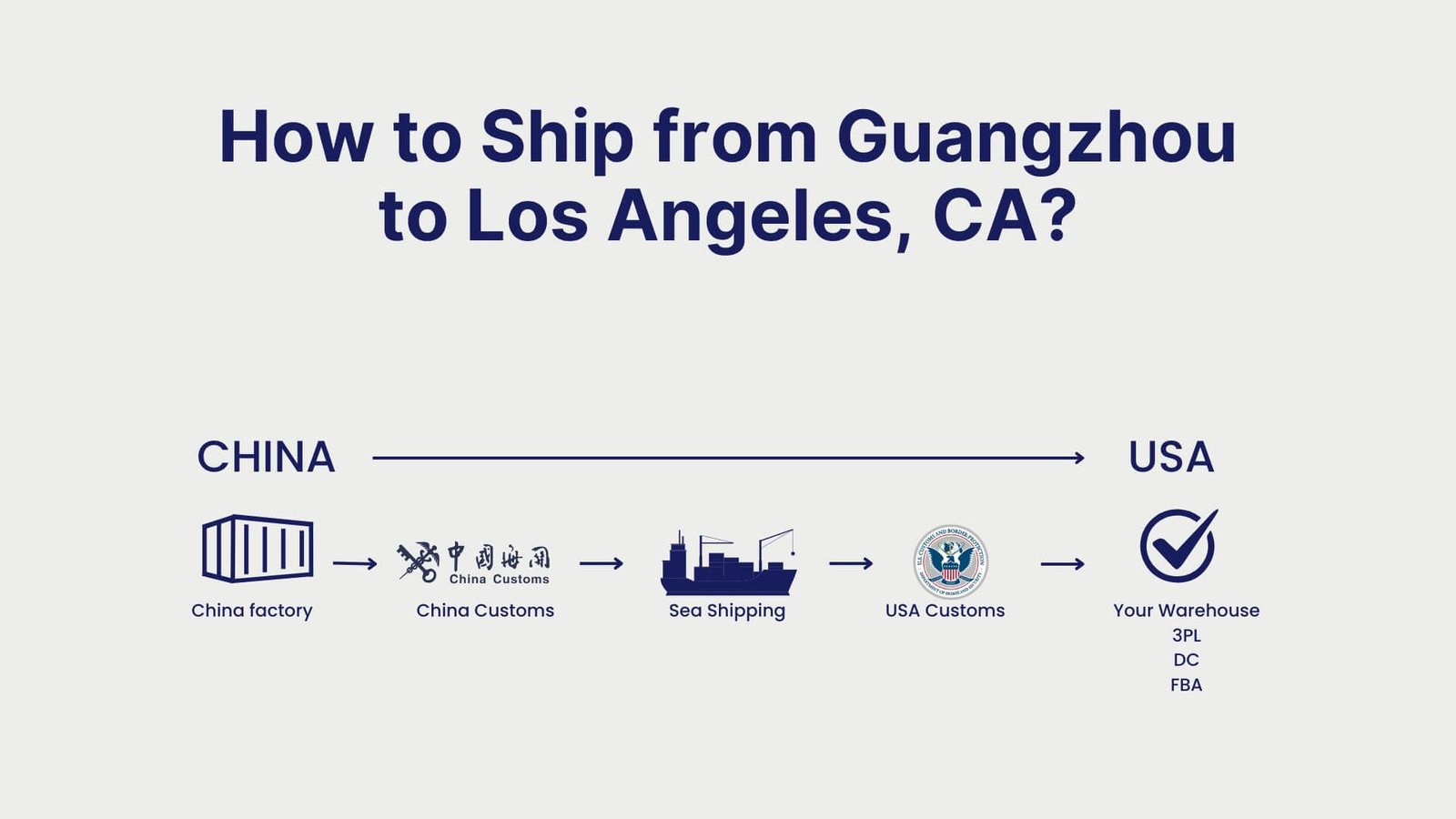
Shipping goods from Guangzhou to Los Angeles can be daunting. The complexities of logistics, customs, and costs can overwhelm even the most seasoned importers. But with the right knowledge, you can navigate this process smoothly.
Shipping costs from Guangzhou to Los Angeles1 vary based on FCL2, LCL3, air freight, fuel surcharges4, peak season pricing5, and U.S. destination fees6. Importers often underestimate hidden costs such as customs clearance, drayage, demurrage, and warehousing7/blog/shipping-from-china-to-usa/)8, drayage, demurrage9, and warehousing, which significantly impact total landed cost10 beyond base freight rates.

Understanding these costs is crucial for U.S. importers. Hidden fees can quickly add up, making it essential to have a clear view of what you’re paying for. I often tell my clients that a complete breakdown of all associated costs is necessary to avoid surprises. So, why not start by requesting a detailed quote?
How Much Does It Really Cost to Ship from Guangzhou to Los Angeles and What Hidden Fees Impact U.S. Importers’ Total Landed Cost?
Shipping from Guangzhou to Los Angeles isn't just about the freight cost. Many factors contribute. Fuel surcharges can vary, and fees may be added unexpectedly. I once had a client who thought they were getting a good deal until they received their final invoice, which included significant customs and handling fees. This is a common pitfall for many.
Shipping costs from Guangzhou to Los Angeles1 vary based on FCL2, LCL3, air freight, fuel surcharges4, peak season pricing5, and U.S. destination fees6. Importers often underestimate hidden costs such as customs clearance, drayage, demurrage, and warehousing7/blog/shipping-from-china-to-usa/)8, drayage, demurrage9, and warehousing, which significantly impact total landed cost10 beyond base freight rates.
To provide clarity, here's a breakdown of potential costs involved in shipping:
| Cost Type | Description | Average Cost |
|---|---|---|
| Freight Rate | Base charge for transporting goods | Varies |
| Customs Clearance | Fees for processing your shipment | $500 - $2000 |
| Drayage Fees | Costs for transporting containers to/from ports | $300 - $600 |
| Demurrage | Fees for containers delayed beyond free time | $75 - $300/day |
| Warehousing | Costs for storing goods before clearance | $20 - $50/day |
Having this knowledge upfront can save you money and headaches in the long run.
👉 Request a real-time landed cost breakdown including freight, duties, and customs fees before shipping.
How Long Does Shipping from Guangzhou to Los Angeles Take by Sea Freight, Air Freight, and Express, and What Causes Unexpected Delays?
The transit time from Guangzhou to Los Angeles can differ significantly depending on the shipping method. I remember one shipment that was delayed by several days due to unexpected port congestion11 during peak season. Seeing your cargo stuck at sea or port can be stressful.
Sea freight from Guangzhou to Los Angeles12 typically takes 12–20 days, air freight 3–7 days, and express 2–5 days. However, delays often occur due to port congestion11, vessel rollovers13, customs inspections14, weather disruptions, and peak season container shortages that are not reflected in standard transit estimates.
Understanding the average shipping times can help manage expectations:
| Shipping Method | Average Transit Time | Potential Delays |
|---|---|---|
| Sea Freight | 12 – 20 days | Port congestion, weather, inspections |
| Air Freight | 3 – 7 days | Weather, flight cancellations |
| Express | 2 – 5 days | Custom delays, urgent cargo handling |
Delays can lead to increased costs and stress. It’s always good to have a risk analysis to prepare.
👉 Get an accurate transit schedule with delay risk analysis before booking.
What Is the Best Shipping Method from Guangzhou to Los Angeles for U.S. Importers: FCL2, LCL3, Air Cargo, or DDP Door-to-Door Service?
Choosing the right shipping method is critical for U.S. importers. I’ve seen many clients struggle with this decision, often opting for air freight due to urgency, but missing out on cost advantages of FCL2 for larger shipments.
FCL2 is ideal for large-volume shipments with lower per-unit cost, while LCL3 suits smaller cargo. Air freight15 is best for urgent high-value goods. DDP door-to-door shipping16 is increasingly preferred by U.S. importers because it includes customs clearance8, duties, and final delivery, reducing operational complexity.
Here's a comparison to help choose the best option for your needs:
| Shipping Method | Best For | Advantages |
|---|---|---|
| FCL2 | Large volumes | Lower cost per unit |
| LCL3 | Small shipments | Cost-effective for less than a container |
| Air Freight | Urgent deliveries | Speed, ideal for high-value items |
| DDP | Comprehensive service | Simplifies customs, all-in-one delivery |
Each method has its strengths. Consider your cargo volume, urgency, and overall costs when deciding.
👉 Compare FCL2 vs LCL3 vs DDP to choose the most cost-efficient method for your cargo.
How Does U.S. Customs Clearance, ISF Filing, and Tariff Classification Work for Shipments from Guangzhou to Los Angeles Port?
Navigating U.S. customs can be challenging. I’ve had clients who faced delays due to incomplete paperwork, leading to costly penalties. Knowing the requirements can save time and money.
All shipments entering Los Angeles require ISF filing17 24 hours before vessel departure, correct HS code classification, and customs clearance8 upon arrival. Import duties and tariffs depend on product category. Errors in documentation can result in delays, penalties, or cargo holds at the port.
Here’s a quick overview of the customs process:
| Customs Requirement | Description | Timing |
|---|---|---|
| ISF Filing | Must be submitted 24 hours before departure | Pre-shipment |
| HS Code Classification | Accurate classification to determine duties | Pre-shipment |
| Customs Clearance | Clearance upon arrival at port | Varies based on documentation |
Getting these details right is crucial for a smooth shipment.
👉 Avoid customs delays with pre-check ISF filing17 and classification review.
What Are the Biggest Shipping Risks on the Guangzhou to Los Angeles Route Including Port Congestion, Carrier Delays, and Cargo Damage?
Shipping from Guangzhou to Los Angeles isn't without risks. I recall a shipment that suffered damage due to improper packing, which cost the client significantly. Identifying these risks can help in planning.
The Guangzhou–Los Angeles route is highly congested, especially during peak seasons. Common risks include vessel delays, container shortages, port congestion11 at Los Angeles, cargo damage from improper packing, and unexpected rollovers. These risks can significantly increase storage fees and disrupt supply chains.

Here’s a breakdown of the main risks:
| Risk Type | Description | Mitigation Strategies |
|---|---|---|
| Port Congestion | Delays due to heavy traffic at ports | Early bookings, flexible scheduling |
| Cargo Damage | Damage from improper packing | Use reliable packing methods |
| Vessel Delays | Delays caused by shipping issues | Real-time tracking solutions |
Understanding these risks can help you make informed decisions.
👉 Protect shipments with insured freight and proactive cargo monitoring.
How Can U.S. Importers Reduce Costs and Improve Supply Chain Efficiency When Shipping from Guangzhou to Los Angeles Using Freight Forwarders?
Reducing costs is a priority for many importers. I’ve worked with clients to streamline their shipping processes, often revealing hidden savings. Utilizing freight forwarders can significantly enhance efficiency.
Importers can reduce costs by consolidating shipments, optimizing Incoterms, booking early space allocation, and using experienced freight forwarders. Integrated logistics solutions like DDP shipping improve efficiency by combining freight, customs clearance8, duties, and last-mile delivery into one managed process.
Here are some effective strategies:
| Strategy | Description | Benefits |
|---|---|---|
| Consolidating Shipments | Combine multiple orders into one shipment | Reduced freight costs |
| Optimizing Incoterms | Choose the best terms for your needs | Cost savings on logistics |
| Early Space Allocation | Book space ahead of time to secure rates | Avoid last-minute costs |
Working with a logistics expert can streamline your operations and save money.
👉 Work with a China–U.S. logistics expert to optimize your entire supply chain.
Conclusion
Navigating the shipping process from Guangzhou to Los Angeles requires understanding costs, methods, customs, and risks. By staying informed, U.S. importers can have a smooth shipping experience.
Understanding the latest shipping costs helps importers budget effectively and avoid unexpected expenses. ↩
Exploring FCL shipping helps importers understand cost benefits for large-volume shipments. ↩
Learning about LCL shipping helps importers optimize costs for smaller shipments. ↩
Understanding fuel surcharges allows importers to anticipate fluctuations in shipping costs. ↩
Learning about peak season pricing helps importers plan shipments to avoid higher costs. ↩
Knowing destination fees helps importers budget accurately for shipments arriving in the U.S. ↩
Exploring hidden costs ensures importers are fully aware of all expenses, preventing budget overruns. ↩
Understanding customs clearance processes helps importers avoid delays and penalties. ↩
Understanding demurrage fees helps importers avoid unexpected costs due to delays. ↩
Knowing how to calculate total landed cost helps importers make informed financial decisions. ↩
Understanding port congestion helps importers anticipate delays and plan accordingly. ↩
Understanding sea freight timelines helps importers plan their supply chain effectively. ↩
Knowing about vessel rollovers helps importers prepare for potential shipping delays. ↩
Understanding customs inspections helps importers avoid delays and ensure compliance. ↩
Exploring air freight benefits helps importers choose the best shipping method for urgent goods. ↩
Understanding DDP shipping helps importers simplify logistics and reduce operational complexity. ↩
Knowing about ISF filing helps importers comply with U.S. customs requirements and avoid penalties. ↩