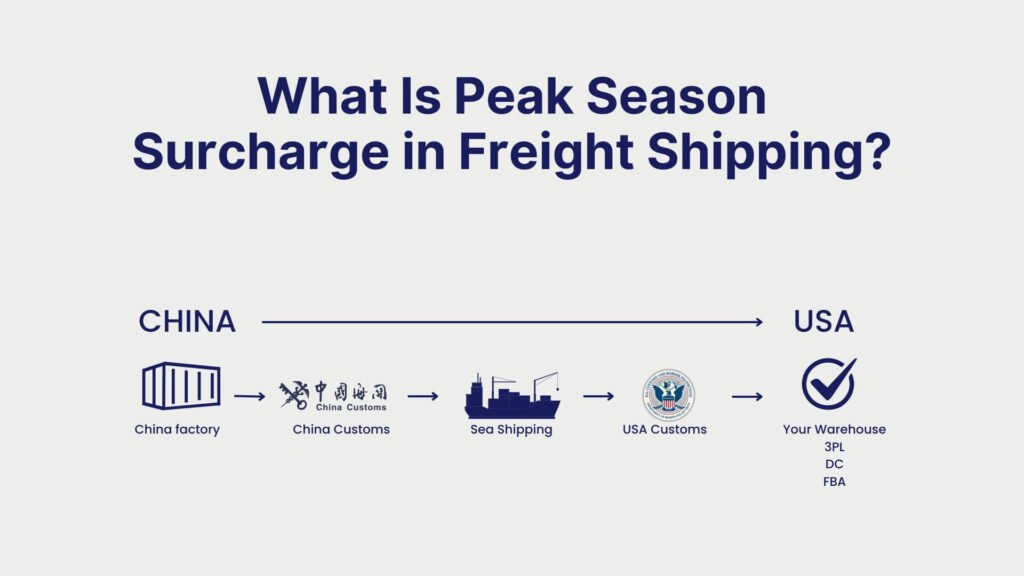
Peak season can be a challenging time for anyone involved in freight shipping. Understanding the Peak Season Surcharge (PSS)1 is essential for effective planning and budgeting.
A Peak Season Surcharge (PSS)1 is an extra fee that carriers impose during high-demand shipping periods to cover increased operational costs2. This fee helps manage congestion and spikes in demand, ensuring timely delivery.

During peak season, many importers find themselves facing unexpected challenges. This article will help you understand peak season surcharges, when they occur, and how to manage them effectively.
What Is a Peak Season Surcharge and Why Do Carriers Apply It?
Peak Season Surcharge (PSS)1 is critical to understand if you rely on freight shipping. This fee reflects the increased operational costs2 carriers experience during busy shipping times. Carriers implement this surcharge to manage demand and ensure deliveries remain on schedule.
Carriers apply the Peak Season Surcharge to cover additional costs associated with high shipment volumes. It acts as a buffer against disruptions and helps maintain the quality of service during peak periods.

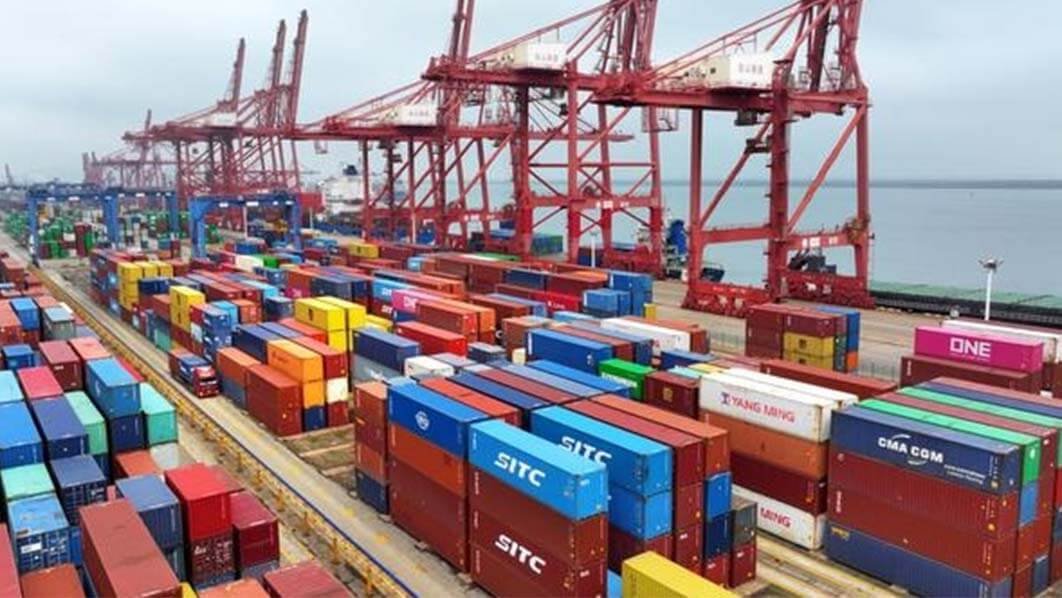
Carriers often face challenges, such as congestion at ports3 and higher fuel costs. Nonetheless, understanding this surcharge allows importers to plan and budget effectively.
When Does Peak Season Occur for Ocean, Air, and Trucking Freight
Recognizing when peak season occurs is vital for effective shipping strategies. Each mode of transport has its unique peak times.
Ocean freight generally experiences a surge from August to October as holidays approach. Air freight spikes just before major holidays, while trucking sees increased demand around retail cycles.

By knowing these critical periods, you can better manage your shipment schedules. This foresight allows you to avoid delays and take advantage of better rates from carriers and forwarders.
How Peak Season Surcharges Affect Your Shipping Costs and Budget
The financial implications4 of Peak Season Surcharges can be significant. They can increase your shipping costs by 10% to 30% or even more. This surge can disrupt your cash flow and affect profit margins.
Accurate forecasting5 and early bookings are essential for managing your budget effectively during peak season. Working closely with experienced freight forwarders can help you mitigate unexpected surcharges.

By preparing in advance, you can reduce risks associated with unexpected costs. This proactive approach can preserve your supply chain integrity.
Understanding the Calculation Methods for Peak Season Surcharges
Calculating Peak Season Surcharges can vary based on multiple factors. Carriers may look at container size, weight, cargo type, or shipment volume when determining these fees.
Understanding how your carrier calculates PSS is essential for effective budgeting. Working with a freight forwarder can provide clarity on these charges, allowing you to plan shipments efficiently.
These experts can break down the charges, explain variances, and help you avoid unnecessary fees on your imports. Their insights can aid in optimizing your shipment planning.
Common Mistakes Importers Make During Peak Season and How to Avoid Them
During peak season, importers often fall into common traps that lead to delays and added costs. Late bookings, misjudged transit times, and ignoring surcharge notices can all result in significant issues.
To avoid these pitfalls, work with proactive freight forwarders who provide timely alerts, alternative routing options, and clear guidance on necessary documentation.

Recognizing these pitfalls early can save you time and money. A strategic approach can help you navigate the complexities of shipping during peak times.
Strategies to Minimize Peak Season Surcharges on Your Shipments
There are effective strategies to minimize the impact of peak season surcharges. Consolidating shipments, booking early, and having flexible shipping windows can all help reduce costs.
A knowledgeable freight forwarder can suggest various solutions, including using alternate ports or split shipments, to manage surcharges efficiently while ensuring timely deliveries.

Implementing these strategies can lead to substantial savings during peak periods. It's about being proactive rather than reactive.
Partnering with a Freight Forwarder to Manage Peak Season Challenges Efficiently
Finally, partnering with an experienced freight forwarder can greatly alleviate peak season stress. They manage booking, documentation, customs clearance, and negotiations with carriers, ensuring your cargo moves smoothly.
Their expertise not only reduces delays but also helps you avoid penalties, maintain predictable shipping costs, and gain a competitive edge.

By collaborating with a freight forwarder, you can navigate the complexities of peak season with confidence.
Conclusion
Understanding peak season surcharges is vital for effective planning and budgeting in freight shipping.
Understanding PSS is crucial for managing shipping costs during high-demand periods, ensuring timely deliveries and effective budgeting. ↩
Learn how increased costs impact shipping rates and how to plan for these changes to maintain your budget and service quality. ↩
Explore how port congestion can delay shipments and what strategies can mitigate these disruptions during peak times. ↩
Understand the financial impact of PSS on your shipping budget and how to mitigate these costs effectively. ↩
Learn how accurate forecasting can help you anticipate costs and avoid unexpected surcharges in freight shipping. ↩